

Bohemian roots and a free-spirited philosophy
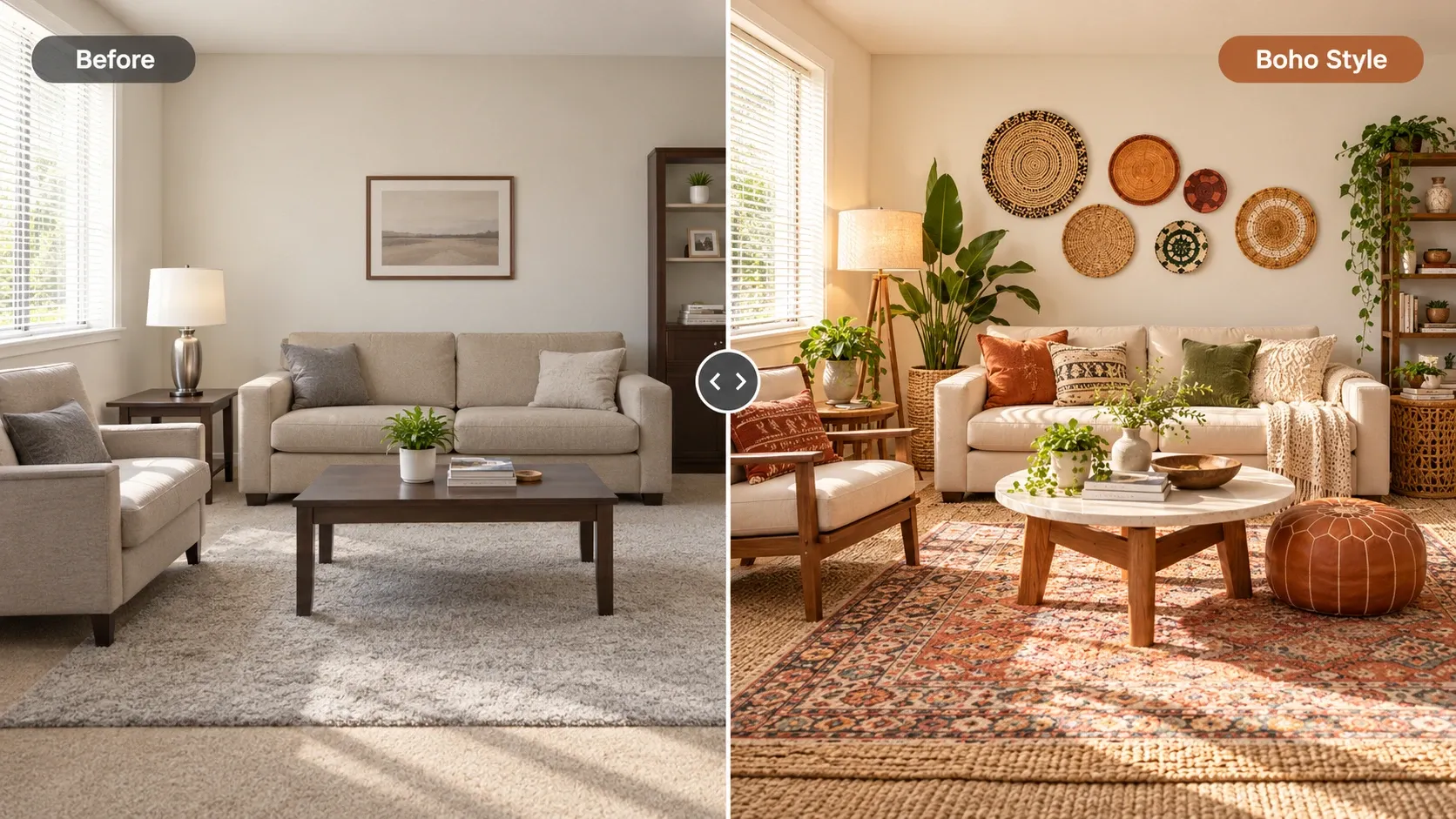
The word bohemian was used in nineteenth-century France to describe artists, writers and musicians who lived unconventional lives, often in modest rented rooms filled with secondhand furniture and souvenirs. The look resurfaced in the 1960s and 1970s counterculture, when travel to North Africa, India and beyond brought kilims, block prints, macramé and floor cushions into Western homes.
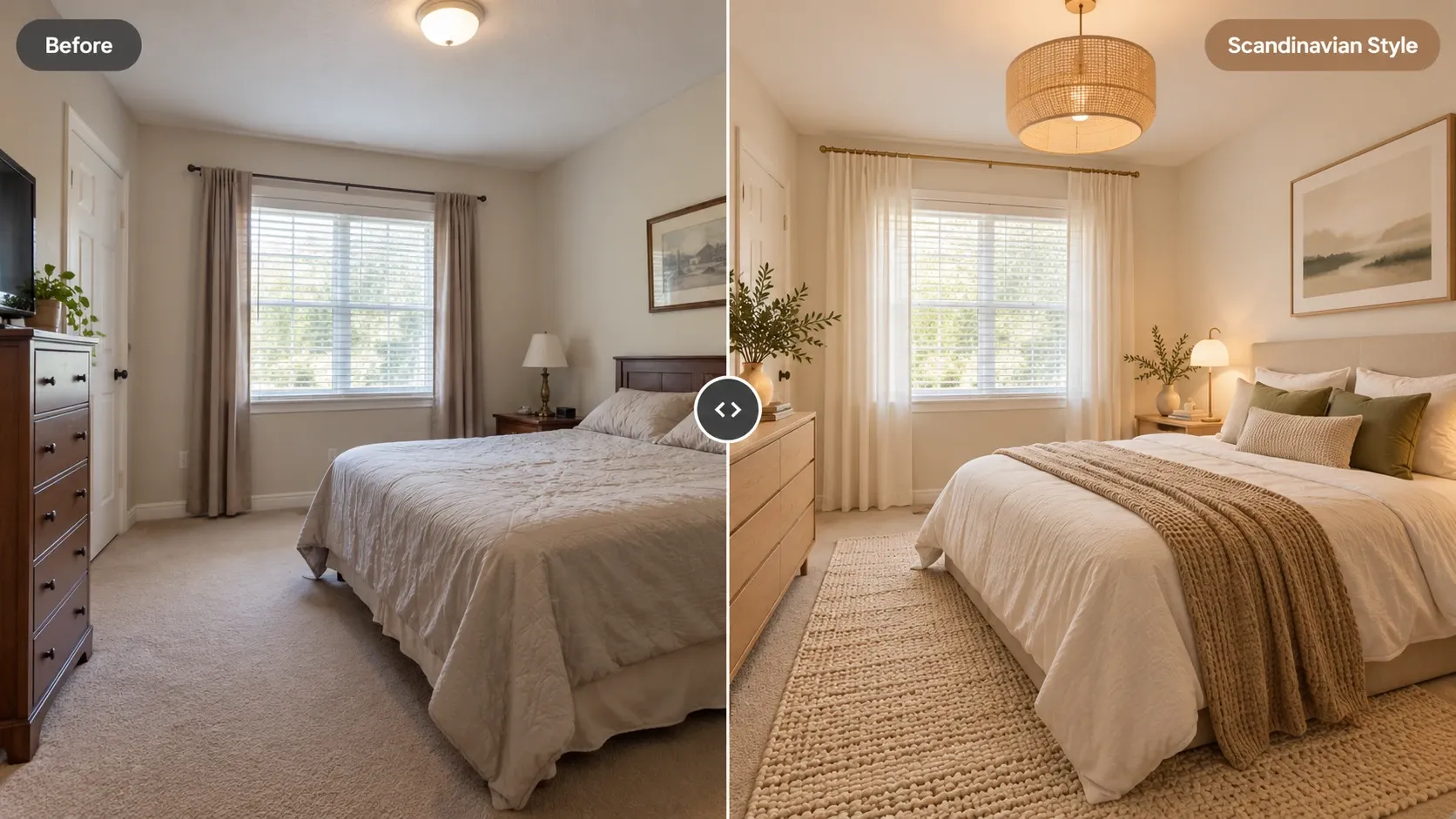
The philosophy behind boho is personal expression over rules. Rooms are collected over time, mixing cultures, eras and handmade objects, and they prioritize comfort and creativity. Today's boho often blends with Scandinavian or modern bases, using white walls and clean architecture as a backdrop for layered textiles. When choosing global pieces, buying from the makers or fair-trade sellers respects the cultures the style borrows from.