Skip to content
homesdesignai
Design style

Coastal Interior Design: Light, Airy and Relaxed

Coastal interior design brings the light and ease of a seaside home into any room, with airy whites, sandy neutrals, soft blues and natural textures. Learn how to get the look without nautical clichés, then upload a photo to see your room in coastal style.

Coastal living room with neutral tones and natural materialsCoastal example

Key elements of Coastal design

  1. 01

    Maximum light and air

    Coastal rooms keep windows open to the view with sheer linen curtains or woven shades. Walls in soft white or pale sand bounce daylight, and mirrors placed across from windows extend it. The aim is a breezy, uncluttered feeling.

  2. 02

    Natural fibers everywhere

    Seagrass baskets, rattan chairs, jute rugs and woven pendant lights bring beach texture indoors. These fibers soften clean lines and look naturally sun-faded. Use at least three different woven elements in a room for depth.

  3. 03

    Soft blues and greens

    The ocean palette appears in gentle doses: seafoam pillows, a pale blue rug or a deep navy accent chair. Keep most surfaces neutral and let blue act as an accent, which feels more refined than painting every wall aqua.

  4. 04

    Relaxed, slipcovered seating

    Deep sofas in washable white or oatmeal linen slipcovers, cushioned wicker chairs and daybeds create easy comfort. Seaside homes are built for sandy feet and damp swimsuits, so choose fabrics that tolerate washing and sunlight.

  5. 05

    Weathered, light wood

    Whitewashed, cerused or driftwood-toned oak keeps the palette light. Dining tables, beams and floors show soft, sun-bleached grain. Avoid dark espresso stains, which feel heavy and break the airy coastal mood.

Coastal colors, materials and mistakes to avoid

Color palette

  • Sea Salt #F4F1EA
  • Sand #E1D3B8
  • Driftwood #A39582
  • Seafoam #A9C9C2
  • Harbor Blue #3E5C76

Materials

  • Whitewashed oak and driftwood
  • Rattan, wicker and seagrass
  • Jute and sisal
  • Linen and cotton slipcovers
  • Beadboard and painted shiplap
  • Light limestone and sandy tile
  • Clear and seeded glass

Avoid

  • Overloading the room with anchors, ropes and seashell decor.
  • Painting every wall bright turquoise or aqua.
  • Choosing heavy, dark furniture and thick drapes.
  • Using cool gray-blue tones that feel cold instead of sunny.

Coastal style in every room

See Coastal in your own space

Upload a photo and the style is preselected for you.

Your photos stay private to your account.

Coastal interior design guide

Seaside origins and a relaxed philosophy

Coastal design grew from real seaside homes, from New England shingle cottages and Cape Cod houses to beach bungalows in California and Florida. These houses had to handle salt air, sun and sand, so owners chose painted wood paneling, durable natural fibers and washable slipcovers. Large windows and porches captured breezes and water views, and interiors stayed light to match the bright coastal sun.

The philosophy is relaxation. A coastal room should feel like a vacation: unfussy, bright and easy to live in. Unlike nautical decor, which relies on anchors, ropes and stripes, modern coastal design suggests the sea through color, texture and light. It also has regional variations, such as the crisp whites of the Hamptons or the warmer terracotta and stucco of Mediterranean coasts.
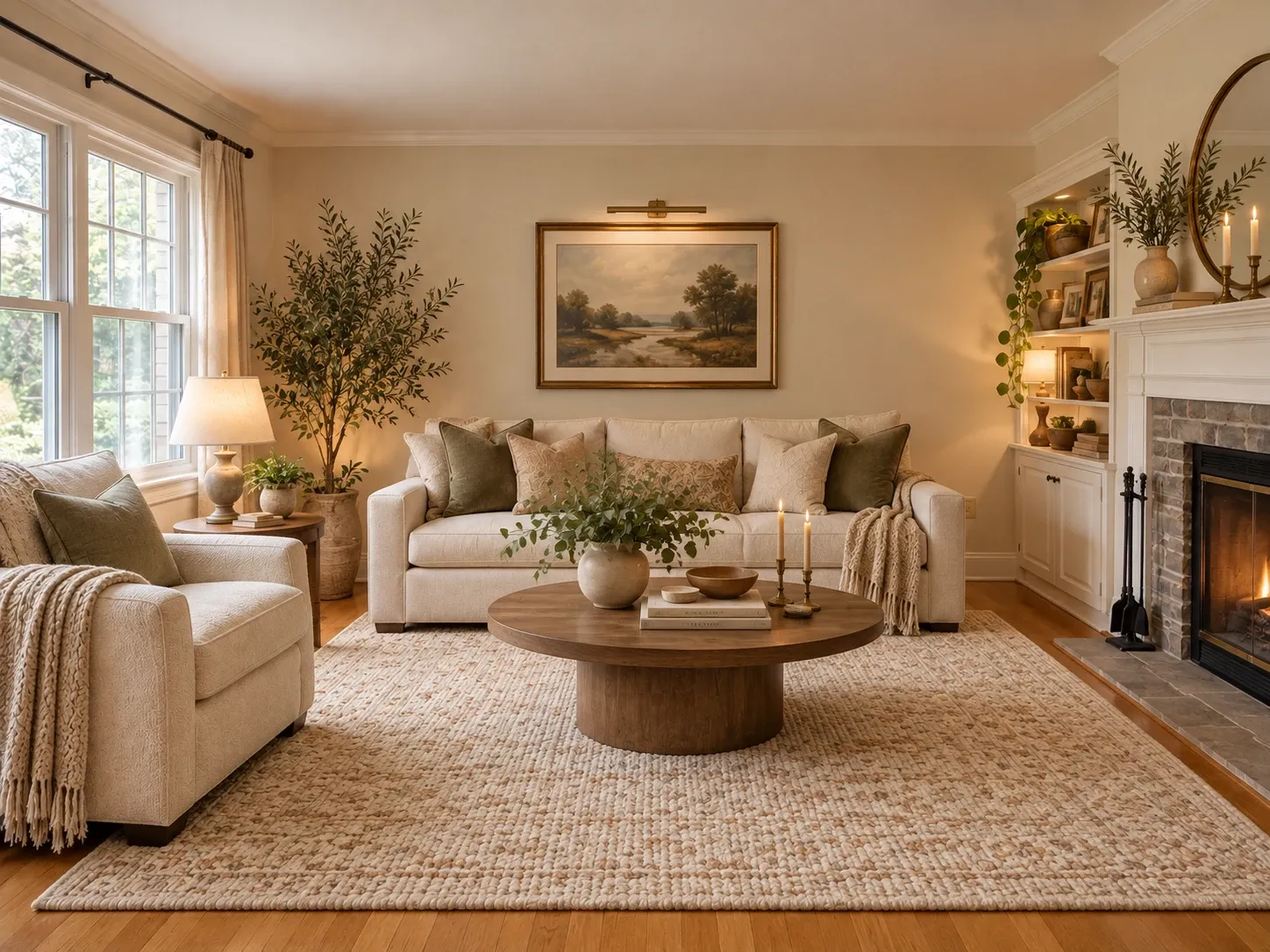
Coastal style room by room, even far from the beach

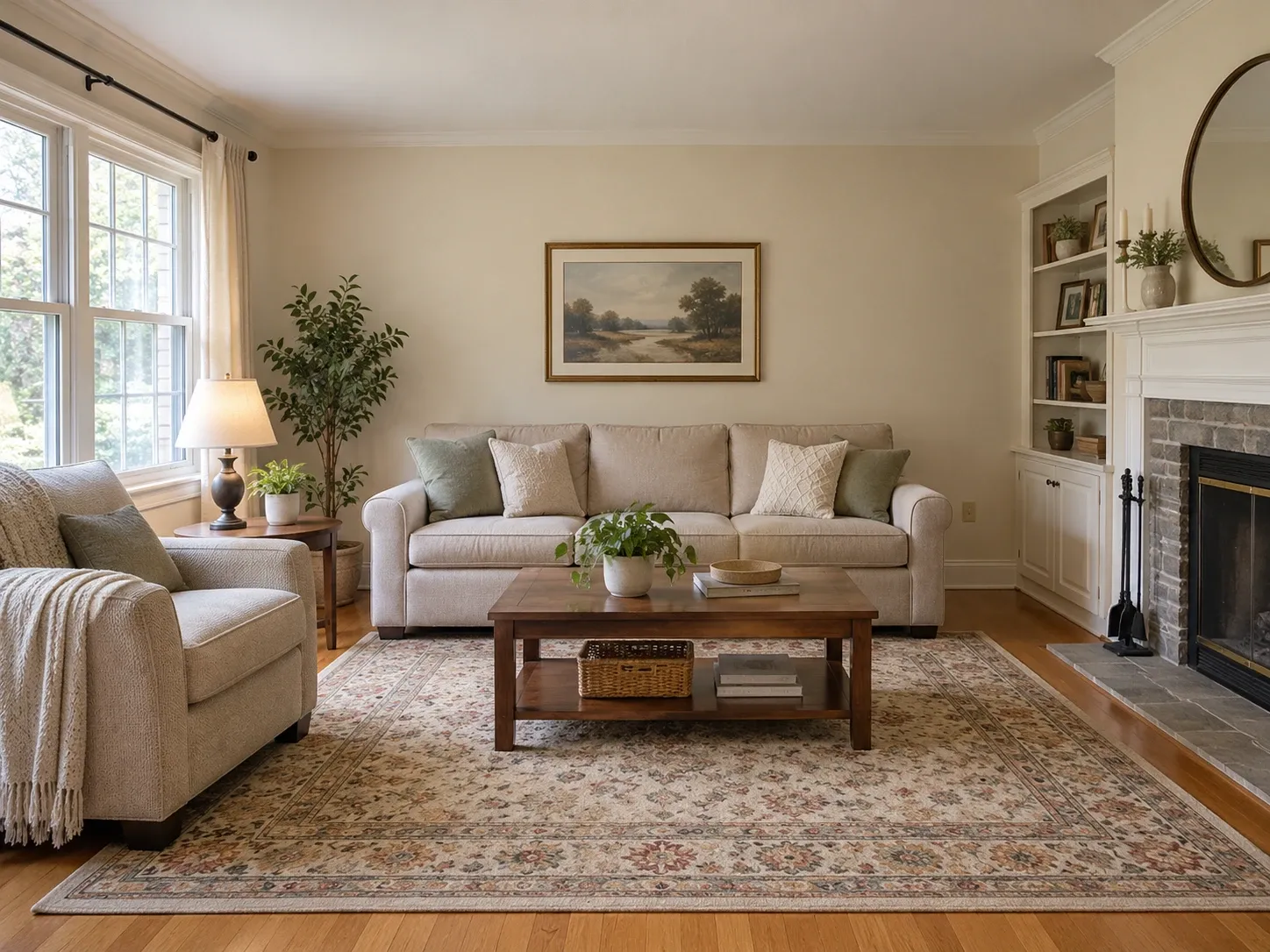
Start with walls in a warm white or pale sand and replace heavy drapes with sheer linen or woven bamboo shades. In the living room, a slipcovered sofa, a jute rug, a rattan armchair and a whitewashed coffee table form the base. Add soft blue and green pillows, a large framed seascape or abstract print, and one big leafy plant such as a palm or bird of paradise.

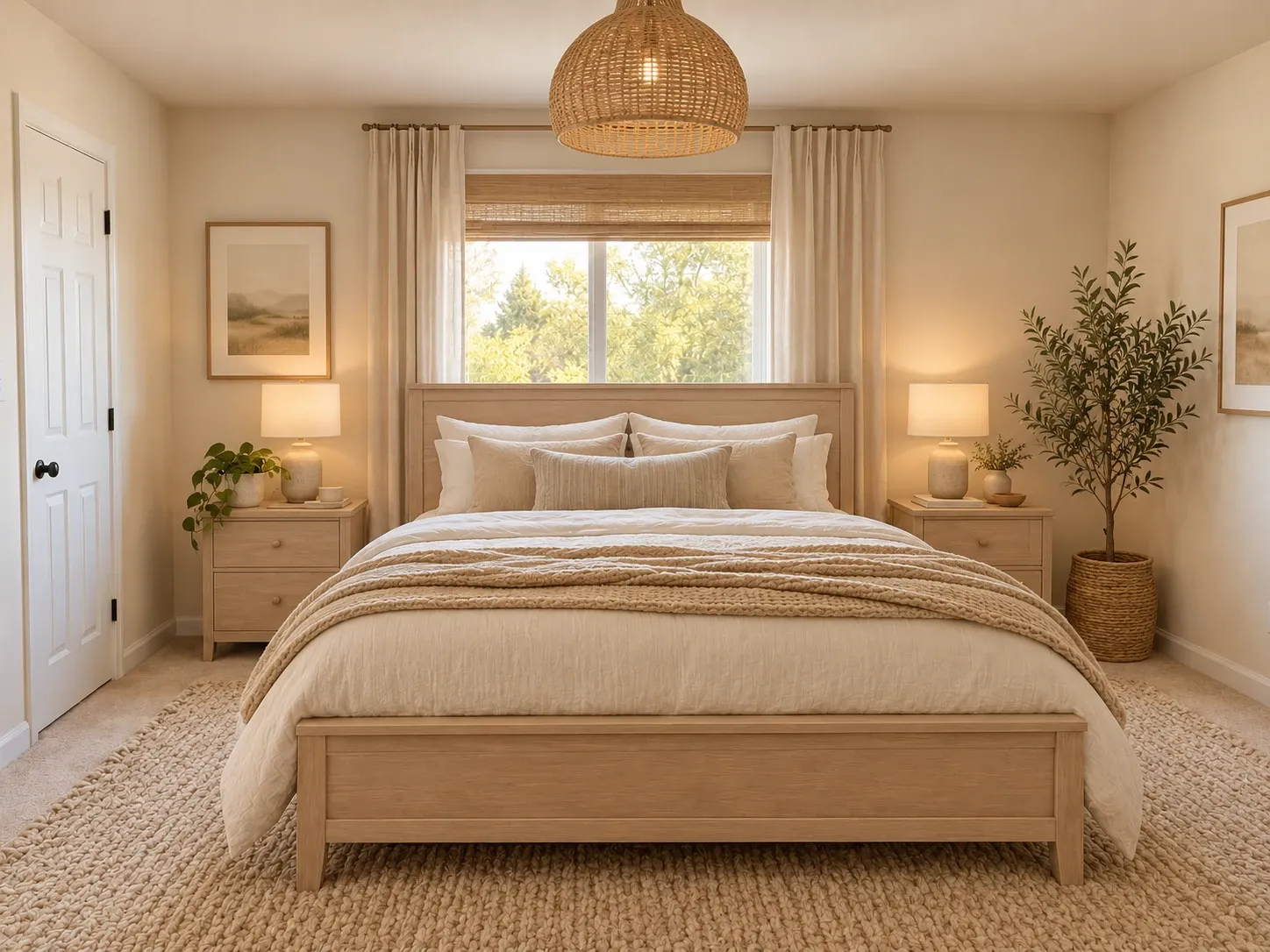
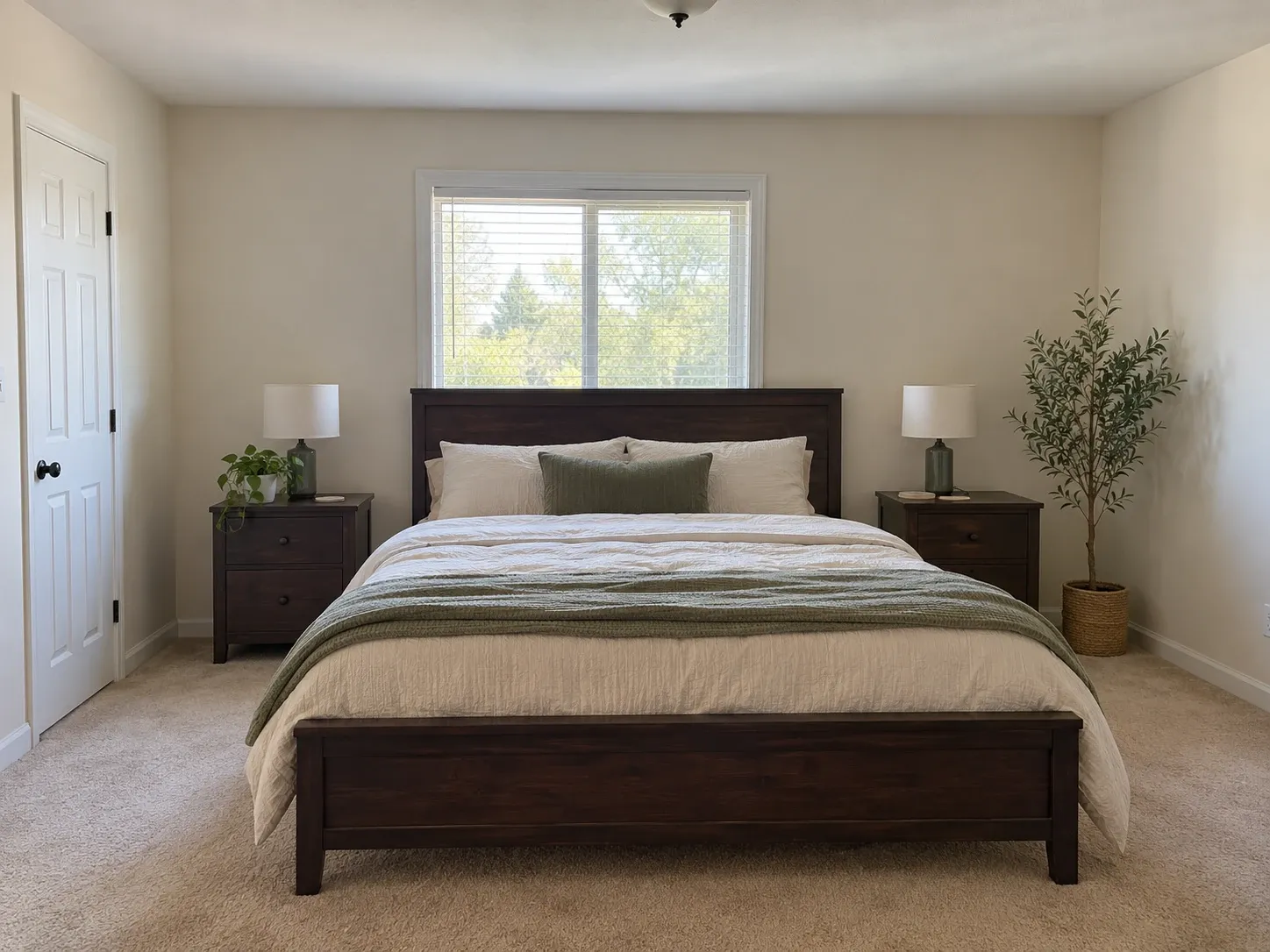
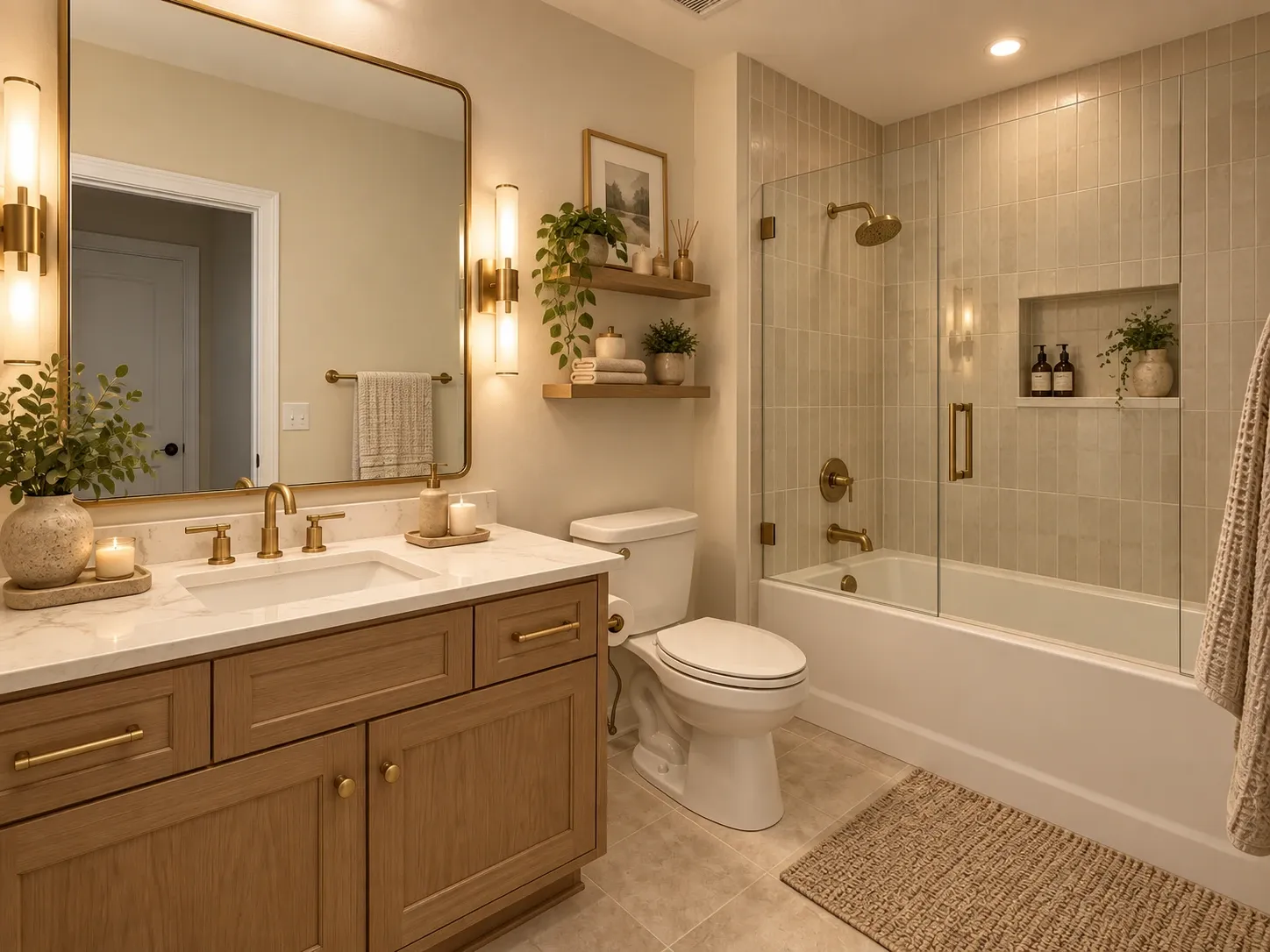
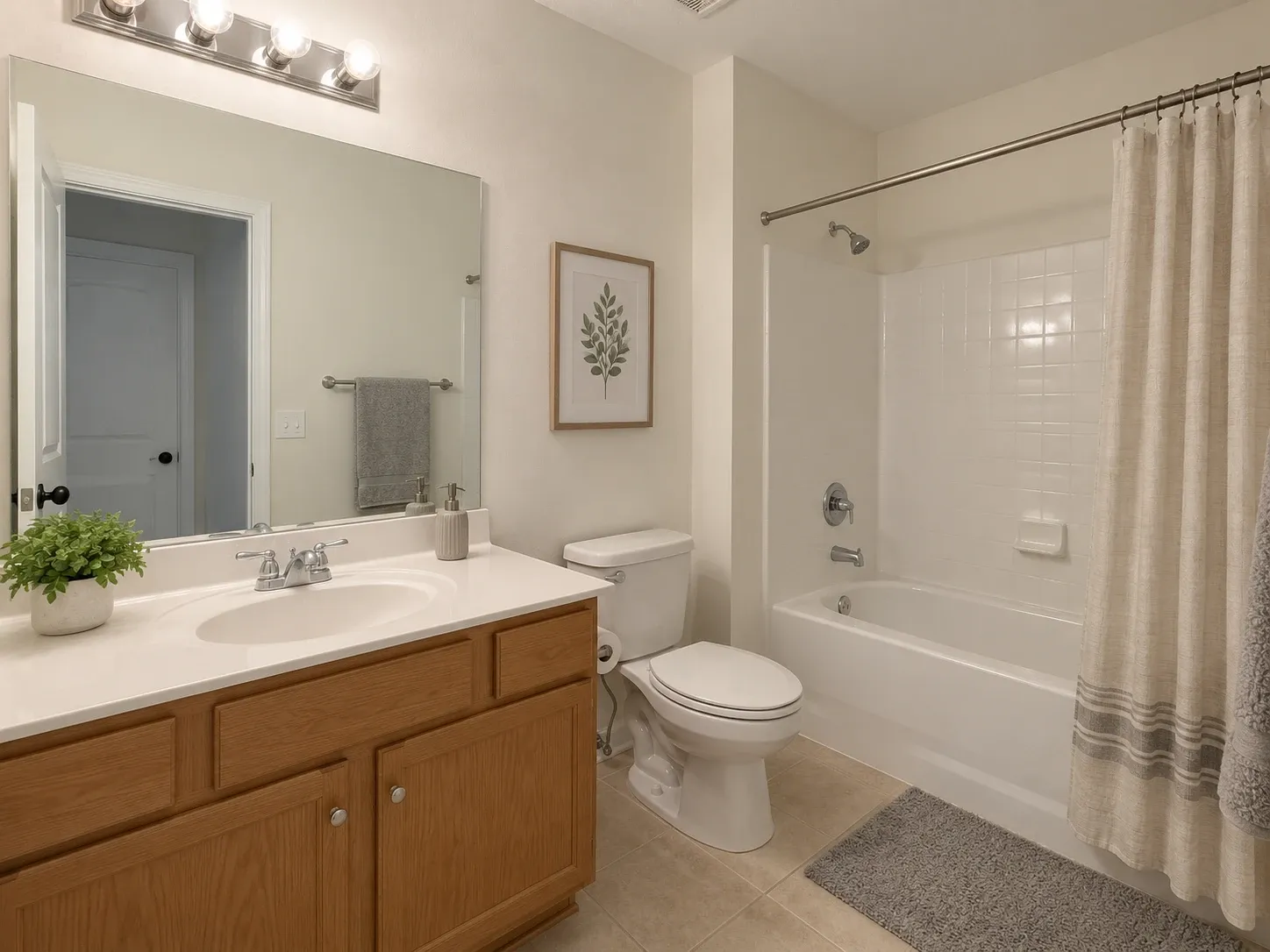
Bedrooms suit white or pale blue bedding in washed cotton or linen, a woven headboard and a sisal rug. Bathrooms can take beadboard wainscoting, matte white tile, a light wood vanity and seeded glass sconces. Kitchens benefit from white or pale blue-gray Shaker cabinets, a light stone counter and woven pendants. Natural fibers are affordable, so the look is easy to achieve on a budget.

  • Use slipcovers so sofas stay fresh and washable
  • Layer jute or sisal under a soft cotton rug
  • Choose woven pendant lights over metal ones
  • Keep wood light: white oak, cerused or whitewashed
  • Limit decor to a few natural objects like driftwood or sea glass

How to create convincing coastal redesigns with AI

Daylight is the soul of coastal style, so photograph your room on a bright day with curtains open. The generator keeps your walls, windows and perspective, then adds light woods, woven textures and soft blues around them. You do not need an ocean view, because the coastal feel comes from materials and color rather than from what is outside the window.

Steer the mood with simple phrases: 'Hamptons coastal, white linen sofa, navy accents, keep the fireplace' or 'warm Mediterranean coastal, terracotta and sand.' If the result leans too nautical, ask for no stripes or rope decor. If it feels flat, add 'rattan pendant and seagrass baskets.' Try a few variations, then compare them with boho or Scandinavian versions of the same room.

Frequently asked questions

What is coastal interior design?

Coastal interior design is a relaxed style inspired by seaside homes. It uses light, airy colors like white, sand and soft blue, natural fibers such as rattan and jute, light weathered wood and slipcovered furniture. The goal is a bright, easygoing room that feels like a vacation.

What is the difference between coastal and nautical decor?

Nautical decor is a themed look with anchors, ropes, navy and red stripes and ship motifs. Coastal design is subtler, suggesting the sea through light, color and texture rather than literal symbols. Coastal rooms tend to feel calmer and age better than nautical themes.

What colors are best for a coastal living room?

Start with warm whites, sand and soft beige, then add ocean-inspired accents such as seafoam, sky blue, aqua and navy. Natural wood and fiber tones fill the middle. Keep blues mostly to textiles and art so the room stays bright and balanced.

Can I use coastal style if I don't live near the beach?

Coastal style is about mood, not location. Light walls, natural fibers, airy fabrics and soft blues work anywhere with good daylight. In colder climates, add warmer woods and wool textiles so the room feels cozy while keeping the breezy palette.

Can AI redesign my room in coastal style?

Upload a photo, choose coastal, and the generator returns photorealistic redesigns that keep your walls, windows and perspective. You can request a specific coastal flavor, like Hamptons or Mediterranean, or ask it to keep furniture you love. New users can start free.

Redesign your room in Coastal style

Keep your walls and windows. Change everything else in seconds.

Best tools for this style

Similar styles

View all styles

Ideas in this style

More ideas