Skip to content
homesdesignai
Design style

Industrial Interior Design: Loft Style for Any Home

Industrial interior design borrows the raw materials of old factories and warehouses: exposed brick, steel, concrete and reclaimed wood. Balanced with leather and warm light, it feels relaxed rather than cold. Learn the key elements, then try industrial style on a photo of your own room.

Open-plan industrial loft with dining area and kitchenIndustrial example

Key elements of Industrial design

  1. 01

    Exposed structure

    Industrial rooms show what other styles hide: brick walls, ductwork, steel beams, timber joists and conduit. If your home lacks these, brick slips, a ceiling painted dark gray or a wall of steel-framed glass can add the same structural honesty.

  2. 02

    Metal and wood pairings

    The signature furniture combines steel and timber, such as a dining table with a thick reclaimed-wood top on black steel legs, or open shelving on iron pipe brackets. The wood warms the metal, so use both in roughly equal amounts.

  3. 03

    Factory-style lighting

    Lighting draws from workshops: enamel or metal dome pendants, caged fixtures, articulated task lamps and exposed filament bulbs. Hang a row of pendants over an island or dining table, and choose warm 2200K to 2700K bulbs to soften hard surfaces.

  4. 04

    Open, loft-like layout

    Industrial style suits open plans with defined zones rather than walls. Use a large rug to anchor the living area, a long table to mark dining and a kitchen island as a divider. Steel-framed glass partitions separate spaces without blocking light.

  5. 05

    Worn leather and vintage pieces

    A cognac or dark brown leather sofa, vintage metal lockers, a factory cart used as a coffee table and old drafting stools add character. Patina is welcome; scuffs and aged finishes make the room feel collected over time.

Industrial colors, materials and mistakes to avoid

Color palette

  • Brick Red #8B4A3A
  • Raw Concrete #9A9A96
  • Weathered Oak #8C7355
  • Cognac Leather #8A5A3B
  • Blackened Steel #2B2B2D

Materials

  • Exposed brick
  • Blackened and raw steel
  • Poured or polished concrete
  • Reclaimed pine and oak
  • Distressed leather
  • Cast iron and aged copper
  • Wired and ribbed glass

Avoid

  • Using only hard surfaces with no rugs, textiles or plants.
  • Choosing cool white bulbs that make concrete and steel feel harsh.
  • Buying faux-industrial decor like oversized gear clocks in bulk.
  • Leaving the room dim without enough window or lamp light.

Industrial style in every room

See Industrial in your own space

Upload a photo and the style is preselected for you.

Your photos stay private to your account.

Industrial interior design guide

From factory floors to living rooms

Industrial interior design began with necessity rather than fashion. In the 1960s and 1970s, artists in New York's SoHo district moved into empty cast-iron manufacturing buildings because the large, cheap spaces suited studios. They lived among exposed brick, timber columns, tall windows and concrete floors, often leaving the structure untouched. Over the following decades the loft became desirable, and developers in many cities converted old warehouses into homes.

The philosophy is honesty about how a building is made. Instead of covering pipes and beams, industrial design celebrates them, along with tough materials that age well. Furniture follows the same logic: sturdy, functional pieces with visible joints and fasteners. Today's industrial interiors usually soften this with warm wood, leather and plants, so the rooms feel livable rather than like a workshop.
Adding industrial style when you do not live in a loft

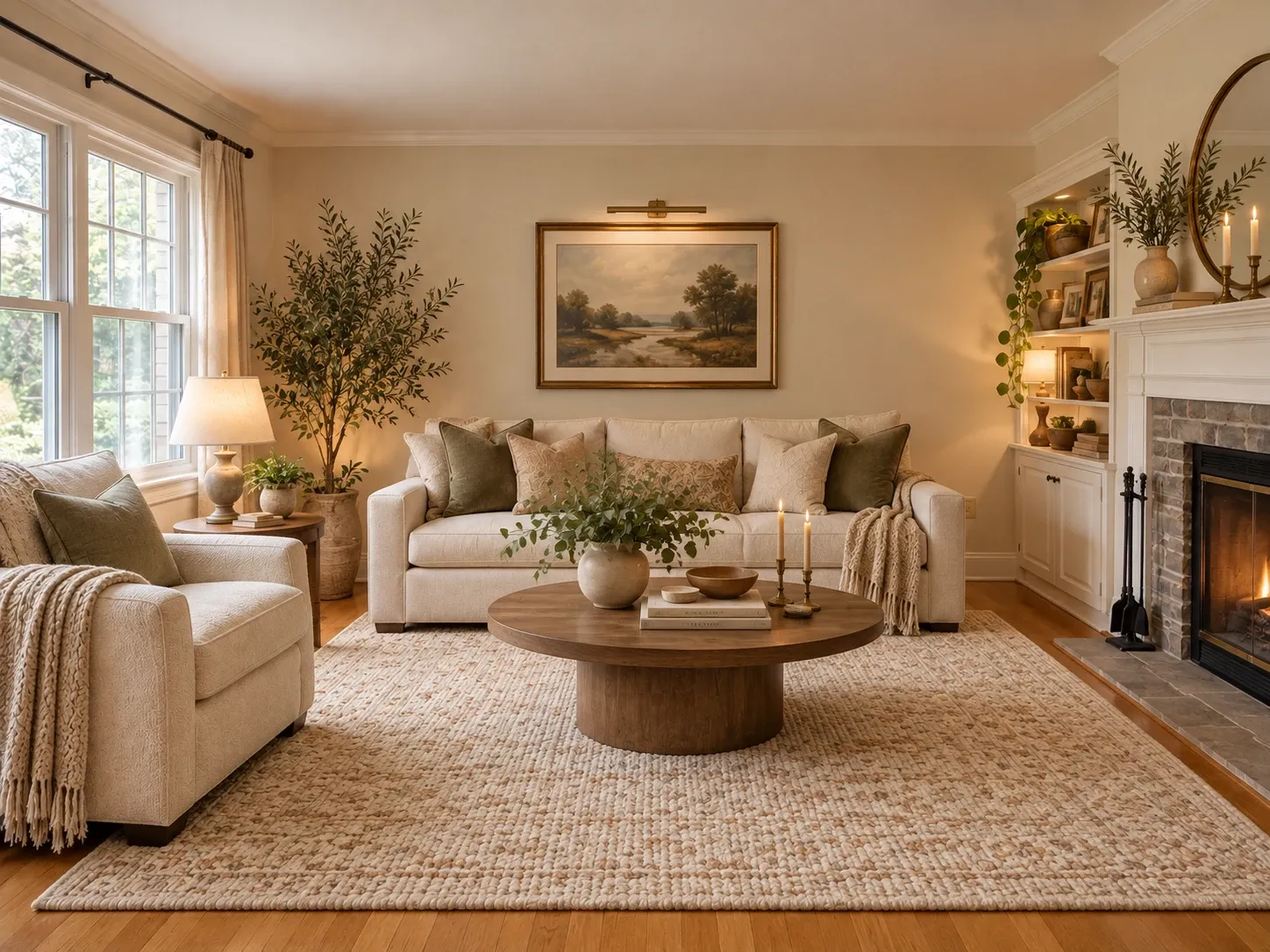
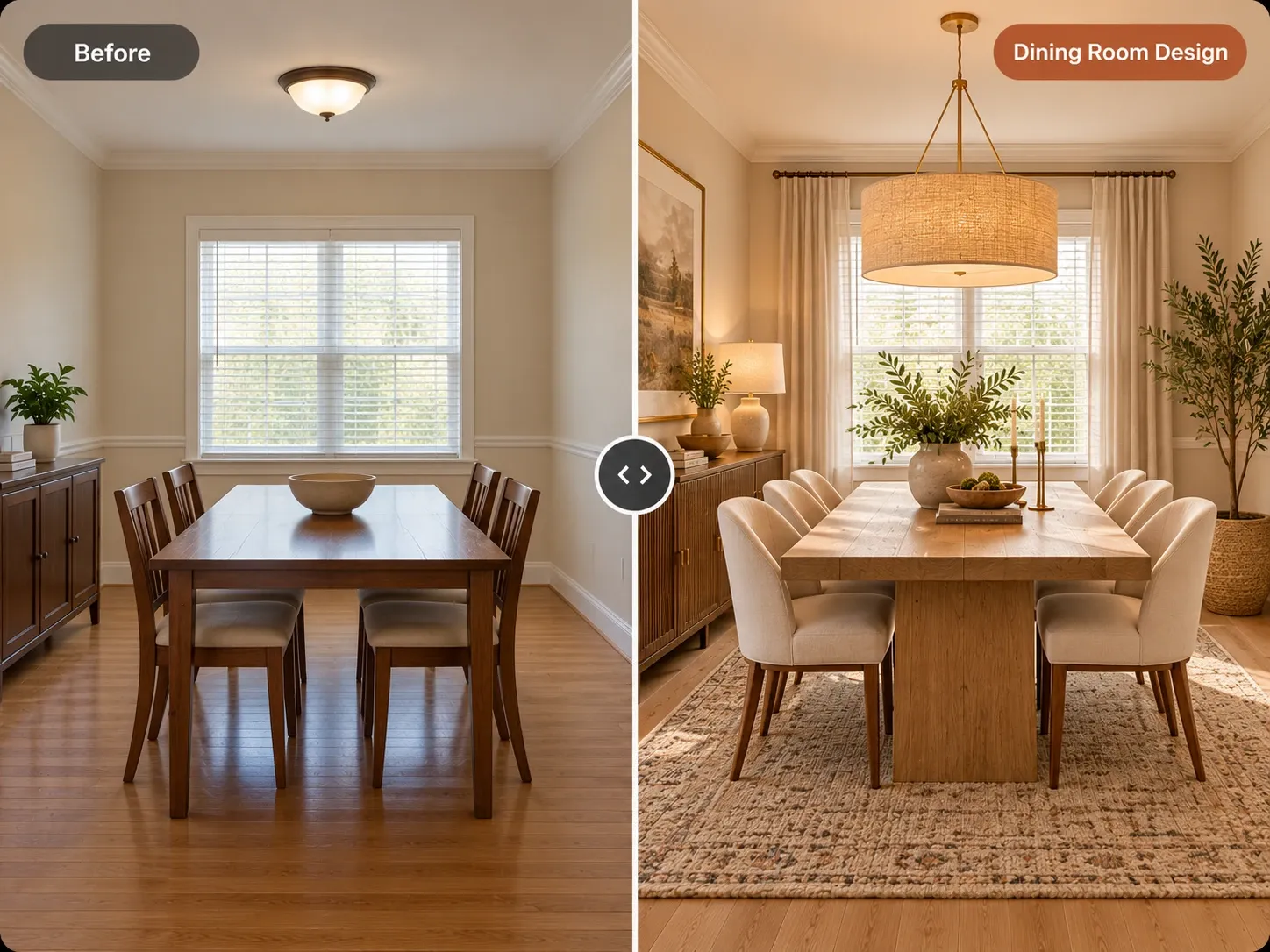
Most homes do not have brick walls or exposed ducts, so focus on furniture, lighting and a few surface changes. Paint one wall or the ceiling a deep charcoal, replace a flush ceiling light with a black metal dome pendant, and install open shelving with steel brackets. A leather sofa, a reclaimed-wood coffee table and a vintage-style rug will carry the look in a standard living room.

In kitchens, combine matte black hardware, subway tile in a simple running bond and a stainless steel range. Bedrooms can take a metal bed frame, linen bedding in charcoal and rust, and a pair of wall-mounted swing-arm lamps. Bathrooms work with concrete-look porcelain tile and black-framed shower glass. Flea markets and salvage yards are great sources for metal stools, lockers and lighting.

  • Use brick-slip panels on one wall
  • Swap brushed nickel for matte black or aged brass fixtures
  • Add a row of dome pendants over an island
  • Mix leather, wool and canvas to soften metal
  • Choose large-format concrete-look tile for floors

Getting an authentic industrial result with AI

Upload a photo that shows the full height of the room. Industrial redesigns often add exposed beams, dark ceilings, pendant rows and tall steel-framed windows, and the generator needs to see the ceiling to place them well. Because the AI keeps your walls, windows and perspective, it adds industrial character to the architecture you have instead of inventing a new loft.

Name the materials you want, for example 'exposed brick accent wall, cognac leather sofa, black steel shelving, keep the existing kitchen cabinets.' If a result feels too dark or cold, request warm wood, a wool rug and more lamps. You can also ask for a softer version with plants and white walls, which many people prefer for bedrooms. Compare several variations before committing.

Frequently asked questions

What is industrial interior design?

Industrial interior design is a style inspired by converted factories and warehouses. It features exposed brick, steel, concrete, reclaimed wood and visible structure like pipes and beams, combined with leather furniture, factory-style lighting and open layouts. The look is raw but warmed with wood and textiles.

How do I make an industrial room feel warm?

Balance hard materials with soft and warm ones. Add a large wool rug, a leather or linen sofa, plenty of reclaimed wood, plants and layered warm lighting at 2200K to 2700K. Lined curtains in heavy linen or canvas also absorb echo, which concrete and brick tend to amplify.

Can I do industrial style in a regular house?

You do not need a loft. Paint the ceiling or one wall a dark color, add brick slips or concrete-look tile, switch to matte black fixtures and metal dome pendants, and bring in wood and steel furniture. These changes give a standard room clear industrial character.

What colors go with industrial decor?

Industrial palettes are built on gray, black, brick red and warm wood browns, often with white walls to keep rooms bright. Accent colors include rust, olive, deep navy and cognac. Choose muted, slightly weathered tones rather than glossy brights, which fight with raw materials.

Can AI redesign my room in industrial style?

Choose industrial after uploading a photo, and the generator returns photorealistic redesigns that keep your room's walls, windows and perspective. You can request specific features like a brick wall, metal pendants or a leather sofa, and new users can start free.

Redesign your room in Industrial style

Keep your walls and windows. Change everything else in seconds.

Best tools for this style

Similar styles

View all styles

Ideas in this style

More ideas