Origins: Japanese wabi-sabi and Scandinavian hygge
Japandi is a recent name for an old friendship. Japanese and Scandinavian designers have admired each other's work for generations, and many mid-century Danish craftsmen studied Japanese joinery and proportion. Both traditions value natural materials, careful workmanship and rooms free of excess. The blended term Japandi gained wide use in the late 2010s, as homeowners looked for a calmer, warmer alternative to stark minimalism.
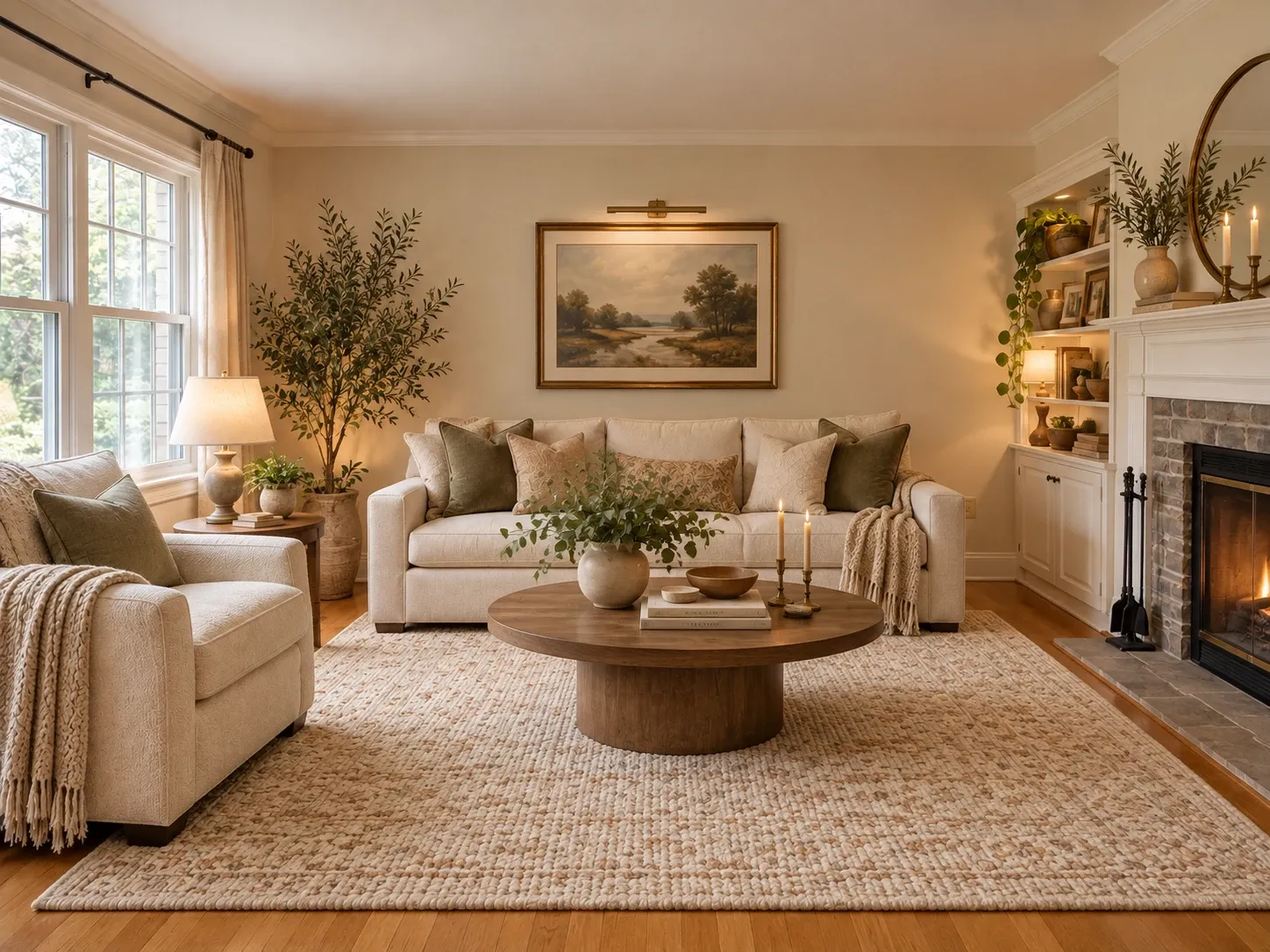
The style rests on two ideas. Wabi-sabi, from Japanese aesthetics, finds beauty in imperfection, age and simplicity, such as a cracked tea bowl or weathered timber. Hygge, from Denmark, is about comfort, warmth and togetherness. Japandi takes the discipline and earthy palette from the first and the soft textiles and practical comfort from the second, creating rooms that feel serene but lived in.