Skip to content
homesdesignai
Design style

Scandinavian Interior Design: Bright, Practical and Cozy

Scandinavian interior design pairs pale wood, white walls and simple furniture with soft textiles that keep a home warm through long winters. Learn the style's history, palette and key pieces, then upload a photo to see your room in Scandinavian style.

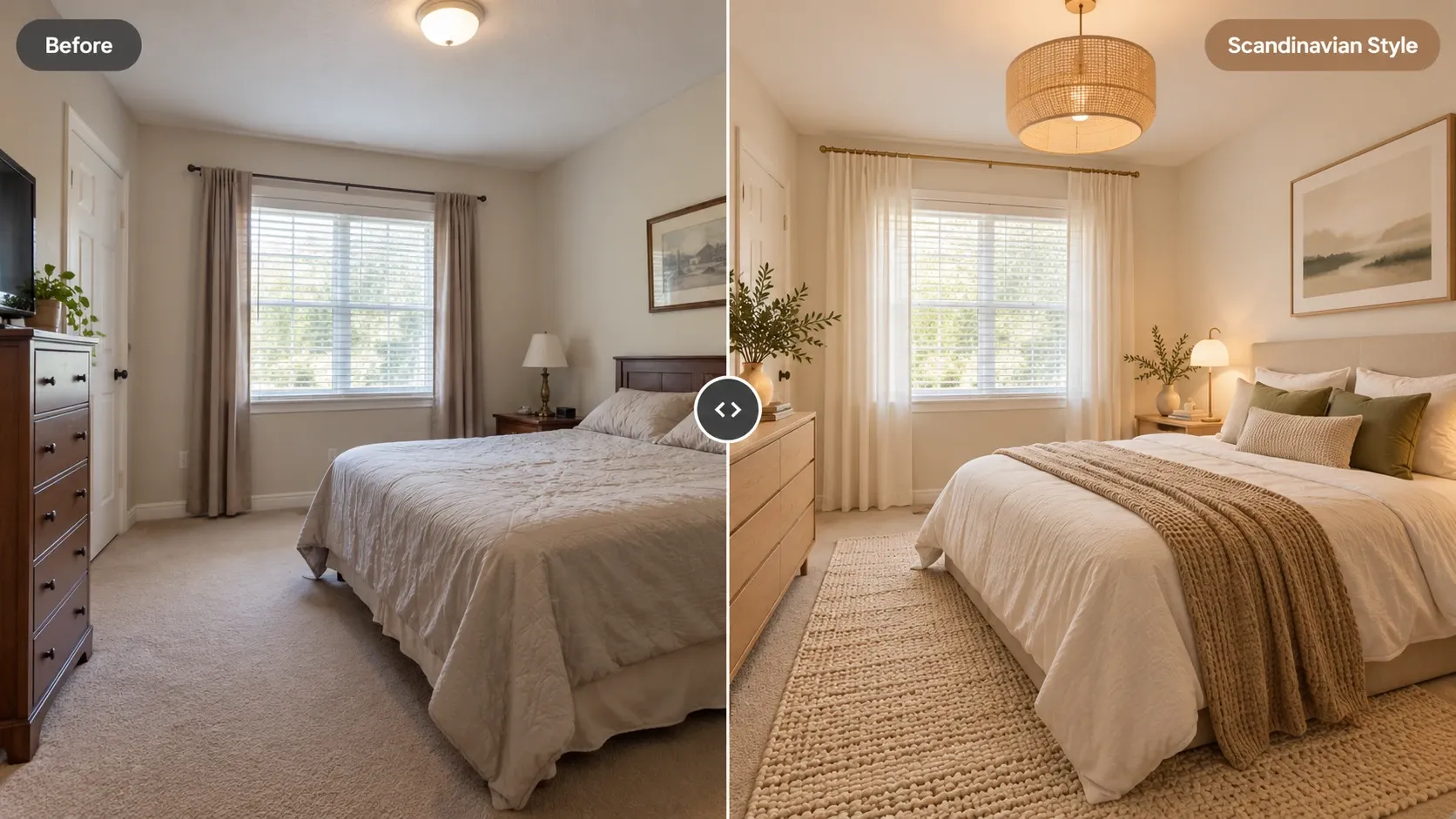
Before and after: dated carpeted bedroom redesigned in Scandinavian style with light wood, linen curtains and a rattan pendant

Key elements of Scandinavian design

  1. 01

    Maximized daylight

    Nordic winters are long and dark, so the style is built to bounce light. Walls are white or off-white, window treatments are sheer or absent, and mirrors sit near windows. Light floors, often oiled oak or whitewashed pine, reflect even more daylight.

  2. 02

    Pale, natural wood

    Birch, ash, beech and light oak appear on floors, furniture and accessories. Finishes are oiled, soaped or matte lacquered so the grain stays visible. Furniture often has tapered legs and gently rounded edges, a hallmark of Danish mid-century craftsmanship.

  3. 03

    Hygge textiles

    The Danish idea of hygge, a feeling of cozy contentment, shows up as chunky knit throws, sheepskin draped over a chair, wool rugs and linen bedding. Layer two or three textures in the same soft color for comfort without clutter.

  4. 04

    Practical, crafted furniture

    Pieces like Hans Wegner's Wishbone chair, a spindle-back dining chair or a simple daybed show the Scandinavian balance of craft and everyday use. Choose fewer pieces with clear purposes, such as a bench with storage or a wall-mounted shelf system.

  5. 05

    Soft layered lighting

    Scandinavian homes use many low light sources instead of one bright ceiling fixture: a paper pendant over the table, a table lamp in a window, candles in the evening. Glare-free shades and 2700K bulbs give the warm glow the style is known for.

Scandinavian colors, materials and mistakes to avoid

Color palette

  • Snow White #F8F8F5
  • Birch #E3D3B8
  • Fog Gray #C9CCCB
  • Muted Sage #A9B5A0
  • Charcoal #3A3A3A

Materials

  • Birch, ash and white-oiled oak
  • Wool and sheepskin
  • Linen and cotton
  • Molded plywood
  • Matte white ceramic
  • Paper and opal glass lampshades
  • Natural vegetable-tanned leather

Avoid

  • Painting everything bright white with no texture to soften it.
  • Using cold blue-white bulbs that flatten warm wood tones.
  • Overloading shelves with decorative objects and word signs.
  • Buying heavily distressed rustic wood instead of clean light wood.

Scandinavian style in every room

See Scandinavian in your own space

Upload a photo and the style is preselected for you.

Your photos stay private to your account.

Scandinavian interior design guide

The history of Scandinavian design and hygge

Scandinavian design reached international fame in the 1950s. The traveling exhibition Design in Scandinavia toured the United States and Canada from 1954 to 1957, introducing North American audiences to furniture, glass and ceramics from Denmark, Finland, Norway and Sweden. Designers such as Alvar Aalto, Hans Wegner, Arne Jacobsen and Poul Henningsen showed that simple, well-made objects could be both affordable and beautiful.

The philosophy grew from practical needs. Long, dark winters made daylight precious, so homes were painted pale and windows were left open to the sky. Social ideals of good design for everyone favored durable, honest furniture over luxury. Hygge in Denmark and lagom in Sweden, roughly meaning just the right amount, describe the comfortable, balanced mood these rooms aim for.
Creating a Scandinavian home on a realistic budget

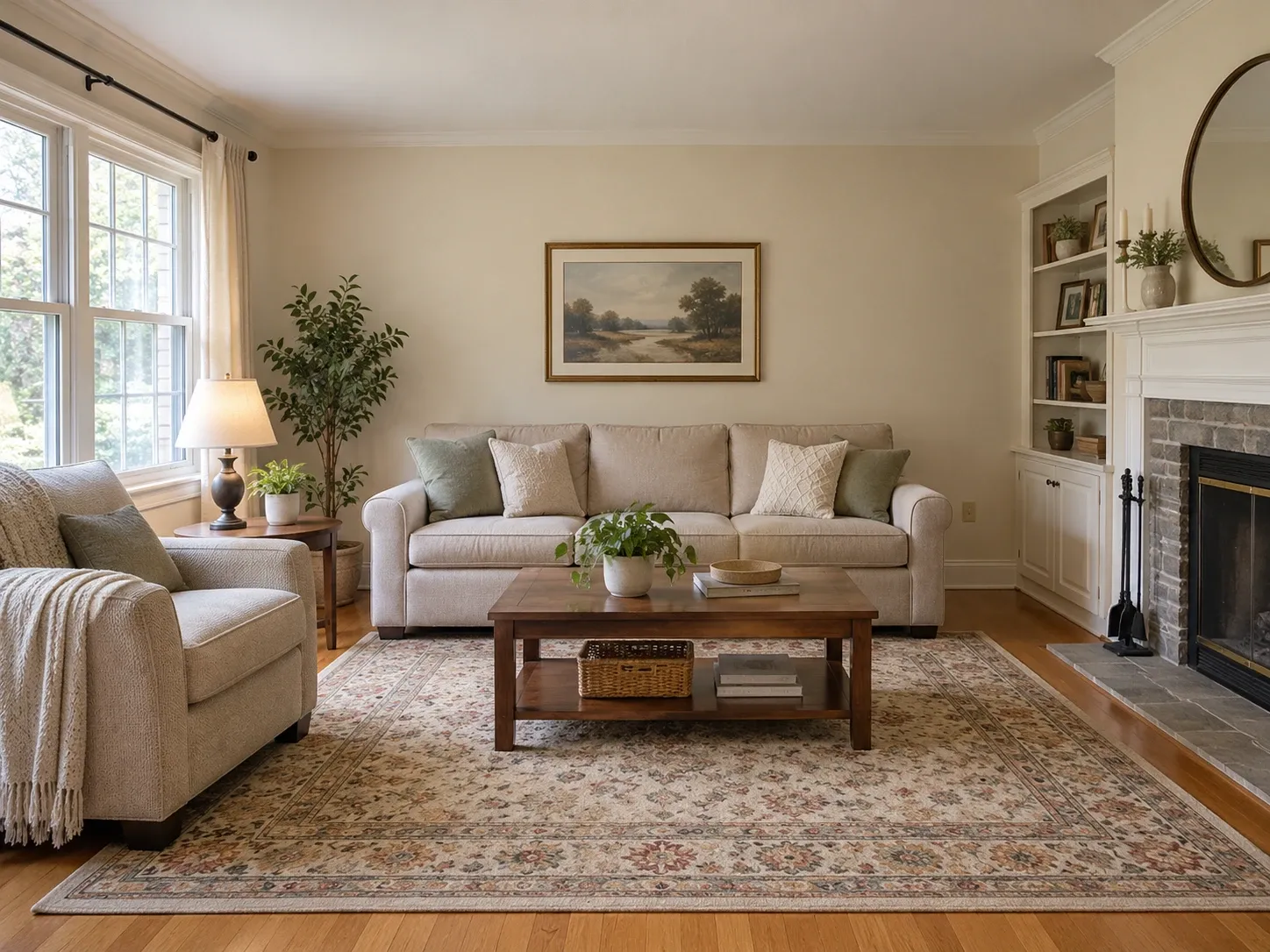
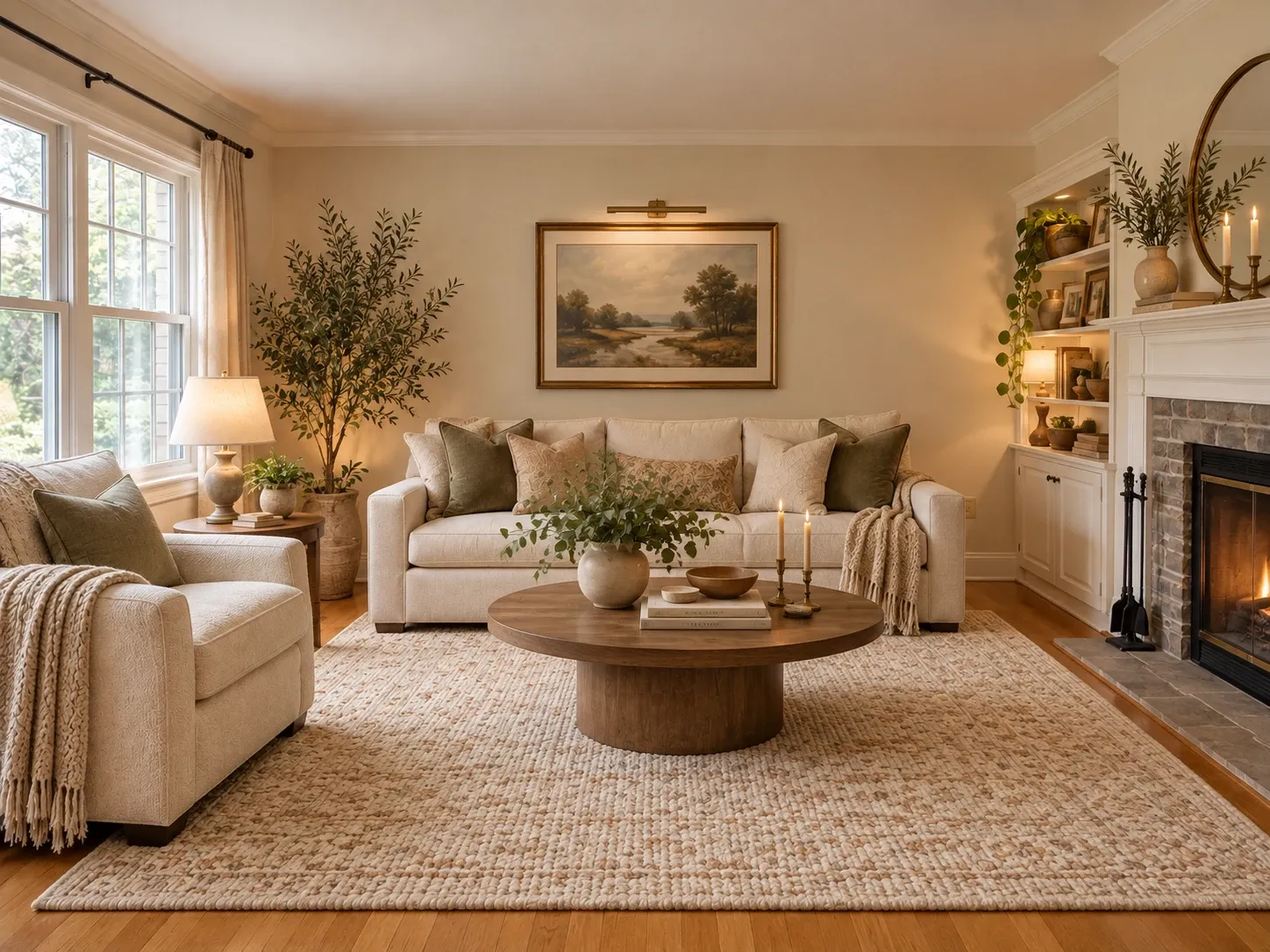
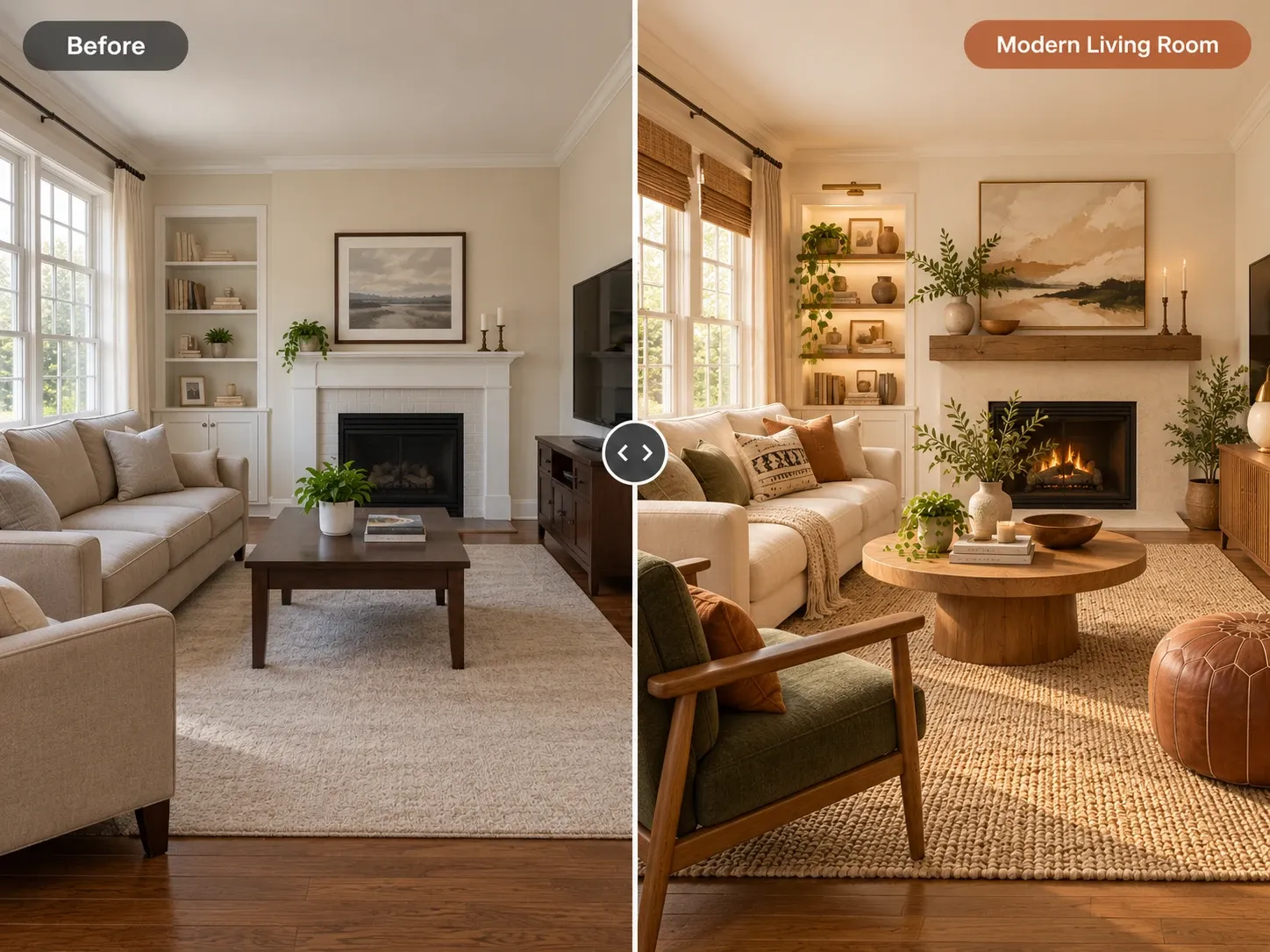
The most affordable change is paint and light. A soft white with a slight warm undertone keeps rooms bright without glare, and replacing a single ceiling fixture with two or three lamps instantly adds coziness. In the living room, a light-colored sofa, a round or oval oak coffee table and a large wool rug create the base. Add one sheepskin and a knit throw rather than a pile of pillows.

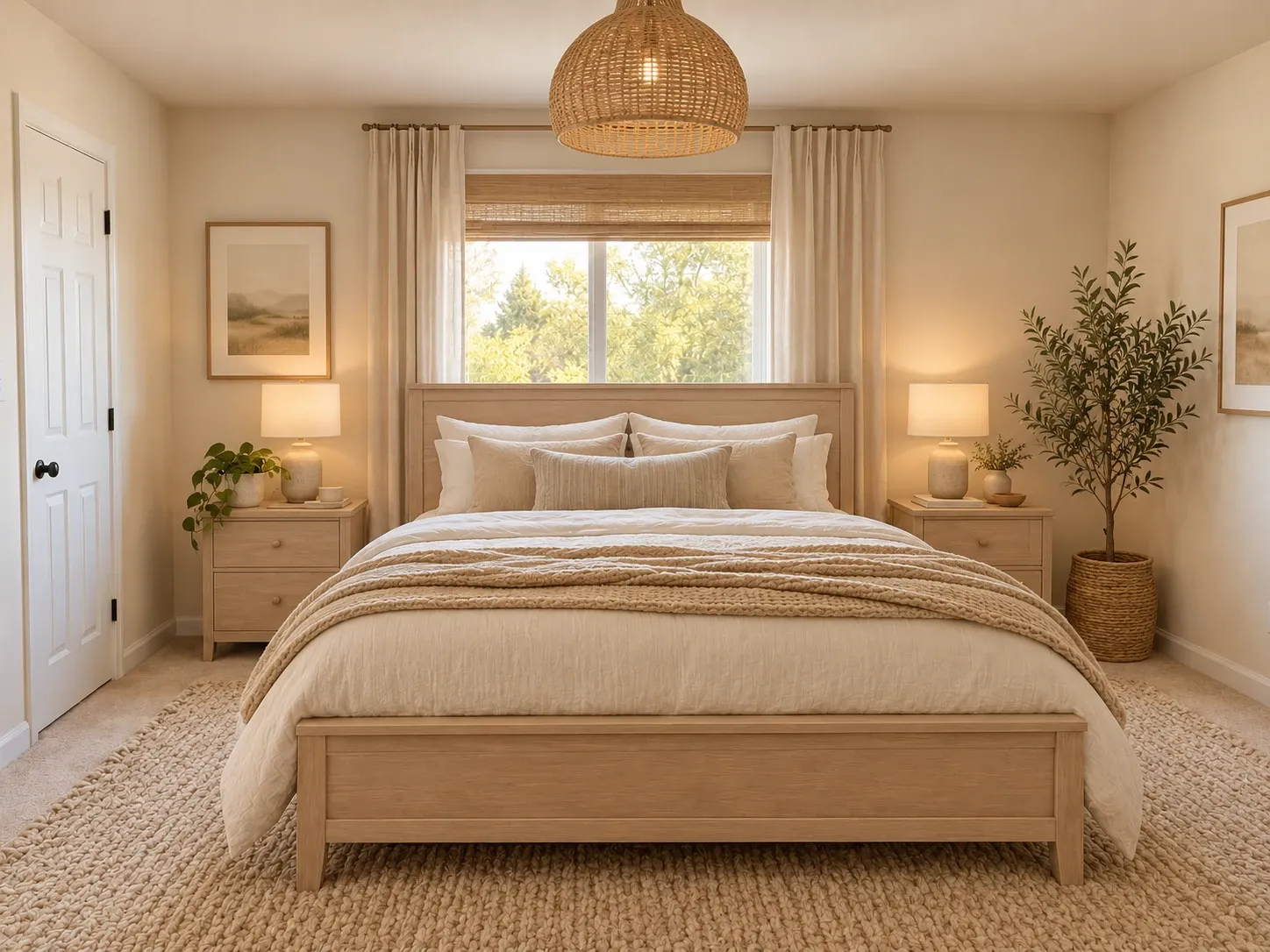
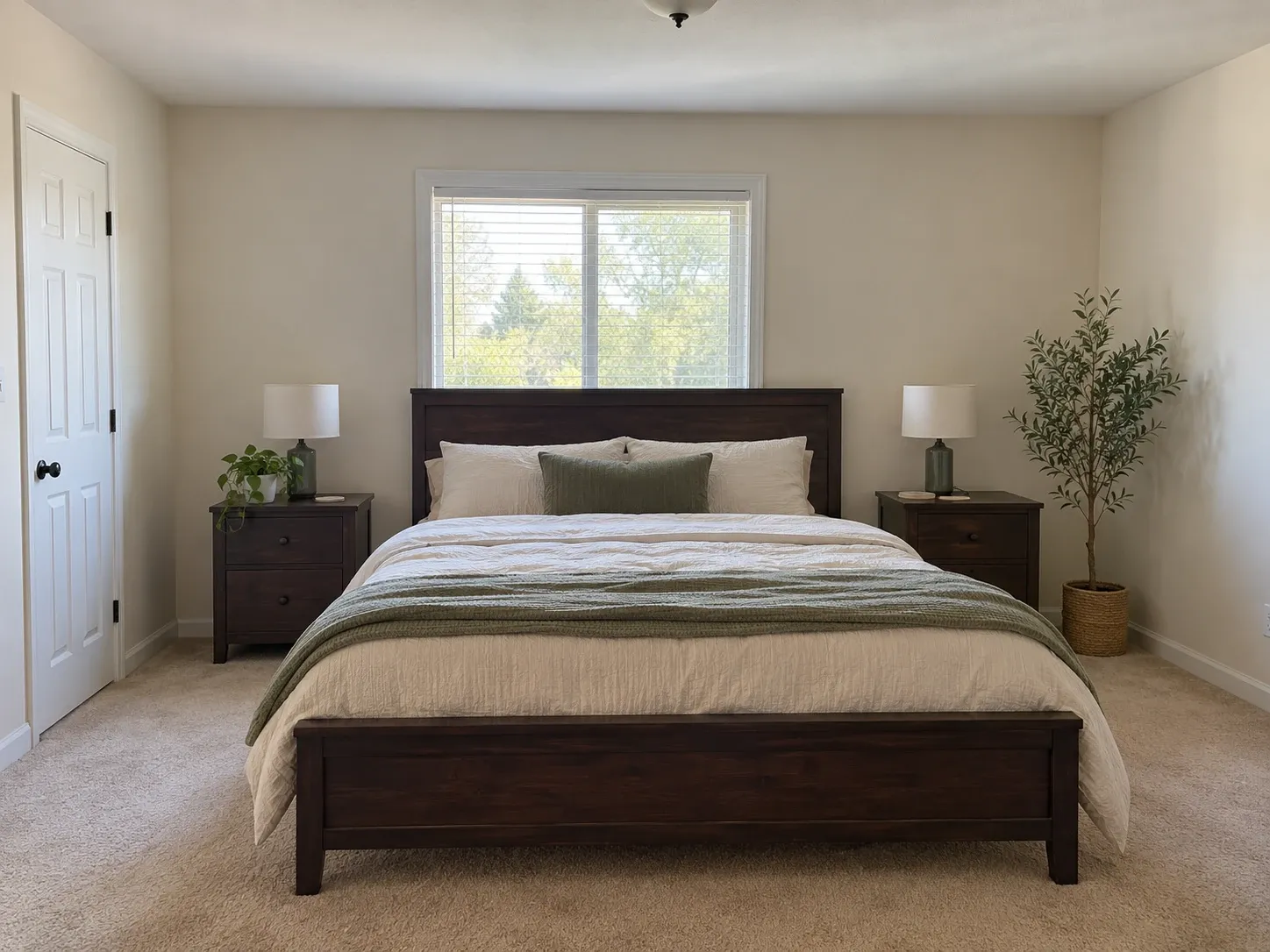
In bedrooms, choose a simple wooden bed frame, washed linen bedding in white, oat or pale gray, and a wall-mounted reading light. Kitchens can follow the style with white or pale wood cabinet doors, open oak shelving for everyday dishes and a few matte ceramic pieces. Secondhand Danish and Swedish furniture is often well built, so vintage shops are worth checking before you buy new.

  • Floors: oiled oak, pale laminate or light-painted boards
  • Textiles: wool, linen and sheepskin in neutral tones
  • Plants: one or two large ones, such as a fiddle leaf fig
  • Lighting: a paper pendant plus candles and table lamps

Generating a Scandinavian redesign with AI

Scandinavian rooms depend on daylight, so upload a photo taken during the day with blinds open. The generator keeps your windows in place and builds the redesign around them, which makes the pale palette look realistic rather than washed out. Shoot from a corner to show two walls and part of the floor so the AI can place a rug, sofa and lighting convincingly.

Useful instructions include 'white oak floor, linen sofa, paper pendant lamp, keep the radiator' or 'add a sheepskin on the armchair.' If the first output looks too sparse, ask for more textiles; if it looks too beige, request soft sage or gray accents. Run a few variations, then try the same photo in Japandi to see a warmer, darker take on similar ideas.

Frequently asked questions

What defines Scandinavian interior design?

Scandinavian interior design is defined by light walls, pale natural wood, simple functional furniture and soft layered textiles. It aims for bright, comfortable rooms that work in everyday life, with few decorative objects, warm low lighting and natural materials like wool, linen and leather.

What is the difference between Scandinavian and Japandi?

Scandinavian style is lighter and cozier, using white walls, pale woods and soft textiles, while Japandi adds Japanese restraint with darker woods, earthier tones and lower furniture. Japandi rooms feel more grounded and sparse; Scandinavian rooms feel brighter and a little more relaxed.

What colors are used in Scandinavian design?

The base is white, off-white and light gray, combined with the natural tones of birch, ash and oak. Accents tend to be muted: sage green, dusty blue, soft pink or charcoal. Strong colors appear occasionally in a single print or ceramic piece rather than on walls.

Is Scandinavian design good for small apartments?

It works especially well in small spaces. Pale surfaces reflect light, furniture on slim legs keeps floors visible, and the focus on fewer, practical pieces avoids clutter. Wall-mounted shelves and multi-use furniture like storage benches add capacity without crowding the room.

Can AI redesign my room in Scandinavian style?

It can do this from a single photo. Choose Scandinavian and you will get photorealistic redesigns that keep your walls, windows and perspective. Ask it to keep specific furniture or add elements like a paper pendant or wool rug, and note that new users can start free.

Redesign your room in Scandinavian style

Keep your walls and windows. Change everything else in seconds.

Best tools for this style

Similar styles

View all styles

Ideas in this style

More ideas