How to Mix Interior Design Styles So Your Home Feels Cohesive
5 min read
Learning how to mix interior design styles lets you keep the pieces you love, from a grandparent's dresser to a sleek new sofa, in one home that still feels pulled together. The trick is not avoiding contrast. It is giving contrast a structure. These principles show how to combine design styles with a clear plan, plus pairings that reliably work.
Why mixing interior design styles works
Very few homes that feel truly personal follow one style to the letter. Real rooms collect things over time: inherited furniture, travel finds, a sofa bought for comfort, art chosen because it made you smile. Mixing styles is how those pieces live together. Done well, it gives a room depth and character that a matching showroom set rarely has.
It helps to know the basics of the interior design styles you are drawing from. Each one has a typical palette, a set of signature materials and a shape language, such as clean lines, soft curves or chunky rustic forms. When you can name what defines each style, you can decide which traits to keep and which to drop as you blend them.
Choose a dominant style when combining design styles
The most reliable approach is to let one style lead. Many designers use a loose 80/20 split: around 80 percent of the room follows a main style, and about 20 percent introduces a second one. The ratio is a guide, not math. The point is that one look clearly sets the tone, so the accents feel like deliberate contrast instead of confusion.
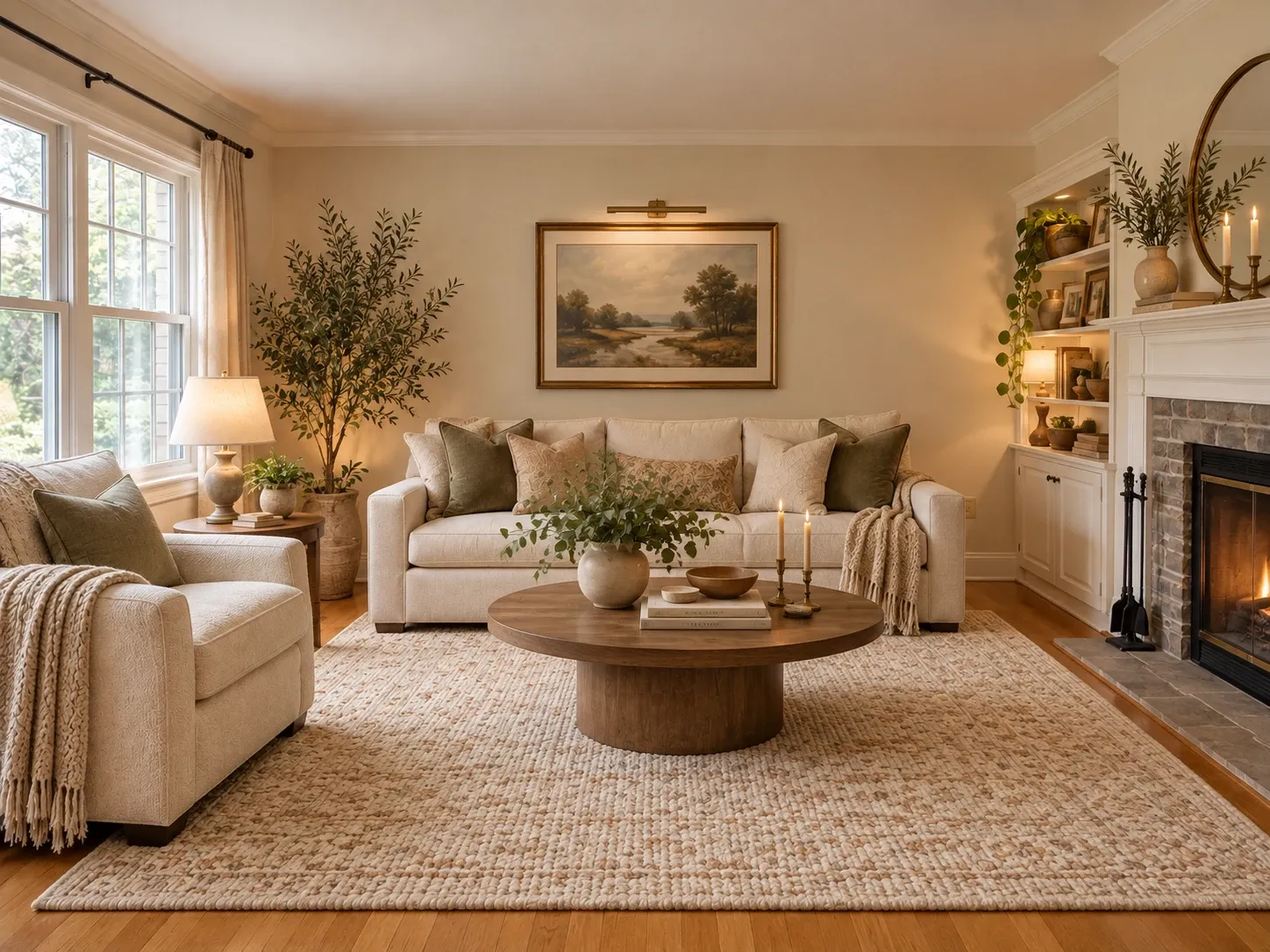
For example, a room that is mostly mid-century modern, with tapered legs, walnut and simple forms, can take a few rustic or vintage pieces without losing its identity. A mostly modern farmhouse room can absorb a sleek metal floor lamp or a glossy coffee table. Trouble usually starts when two or three styles all compete at equal volume.
Pick styles that share something
Two styles blend most easily when they already share a trait. Scandinavian and Japanese design both love natural wood and calm, uncluttered rooms, which is why they merged into Japandi. Industrial and mid-century modern share a love of honest materials and simple shapes. If two styles share nothing at all, you will need to work harder to connect them through color and repetition.
Repeat materials, shapes and finishes
Repetition turns a random collection into a design. If a brass lamp sits on one side of the room, echo brass in a picture frame or cabinet pulls on the other side. If one chair has a curved back, add a round mirror or a rounded side table. Repeating a material or shape at least two or three times signals that the mix was intentional.
Contrast is welcome too. An industrial metal shelf beside a soft upholstered sofa can look great, because the contrast is clear and confident. What tends to fail is the near miss: two wood tones that are almost the same, or two whites that clash slightly. When you mix, make the differences either deliberate or invisible, never somewhere in between.
- Wood tones: pick one dominant wood and one contrasting tone, not five different stains
- Metals: two finishes, such as black and brass, are usually easier than four
- Shapes: balance straight-lined pieces with a few curves, and repeat each
- Textures: mix smooth and rough, like linen with leather or plaster with glass
Eclectic interior design pairings that work
Some combinations show up again and again because each style supplies what the other is missing, like warmth, structure or softness. Use these pairings as starting points rather than formulas, and adjust them to the furniture, art and finishes you already own. The best eclectic interior design still feels like you, not a page torn from a catalog.
If you like Scandinavian and Japanese design together, our comparison of Japandi vs Scandinavian explains where the two styles overlap and where they differ, from color temperature to furniture height. Understanding those details makes it easier to decide which traits to borrow and which to leave out, so the final room has a clear point of view.
- Modern plus traditional: a clean-lined sofa with an antique rug or carved wood console
- Scandinavian plus Japanese: light woods, low furniture, linen and handmade ceramics
- Industrial plus mid-century modern: metal, leather and walnut with simple silhouettes
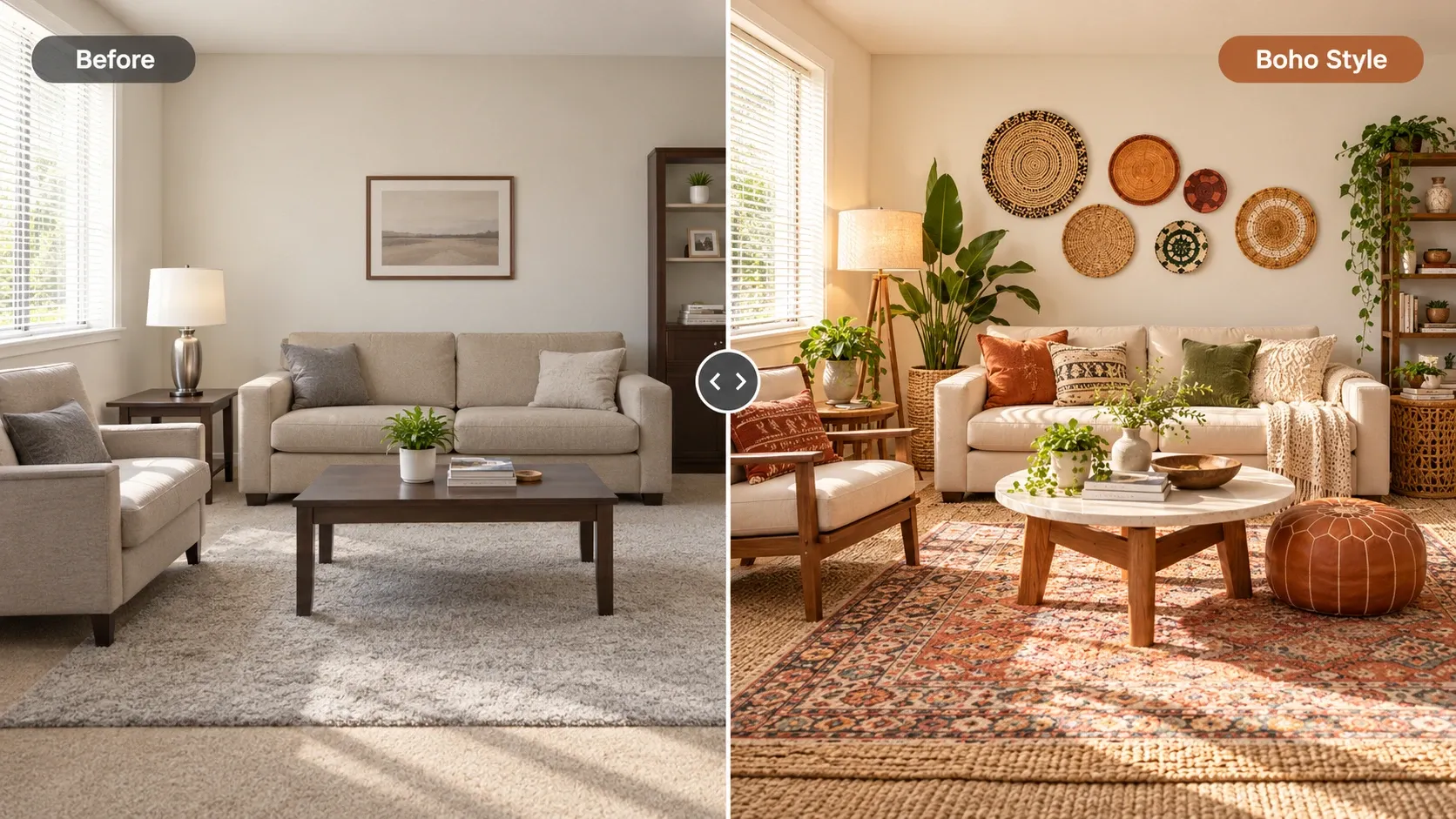
- Boho plus minimalist: a calm, neutral base with a few layered textiles and plants
- Coastal plus modern farmhouse: white walls, natural fibers and weathered wood
Test your style mix on a photo of your room
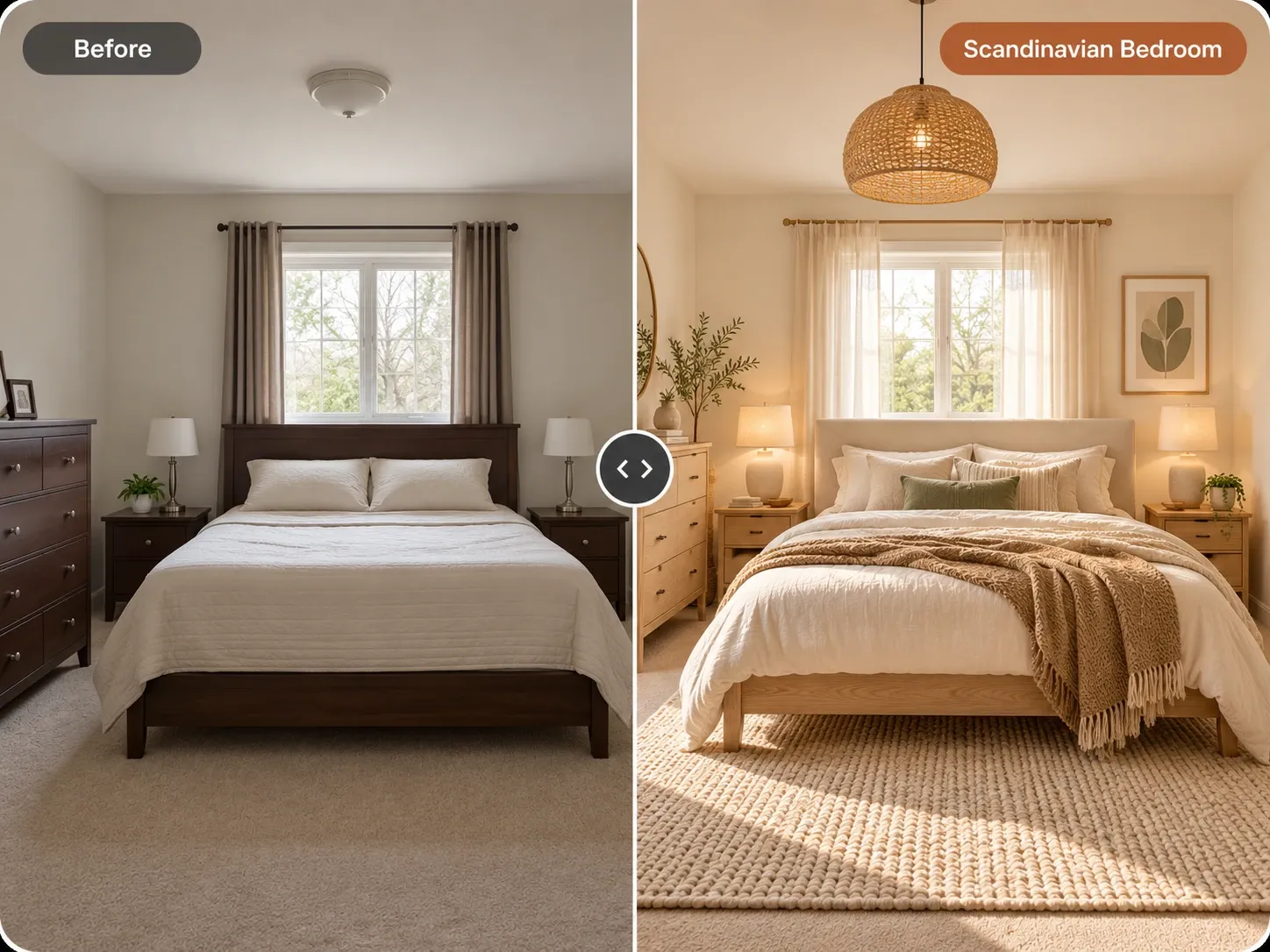
Mixing styles is easier to judge in a picture than in your head. With AI interior design tools like Homes Design AI, you upload a photo of your room, pick a base style, then add instructions such as keep the vintage dresser and add mid-century modern seating. The walls, windows and perspective of your room stay the same, so you can focus on the mix itself.
Because you can change only specific areas, you can test one swap at a time, like a new rug or a different chair, and create variations to compare. Try a few blends, keep the one that feels most like you, and use it as a shopping guide. Your first design is free, so experimenting costs nothing. Just confirm sizes and real colors in person before you buy.
Written by the Homes Design AI team. Next step: try Homes Design AI on a photo of your own space.