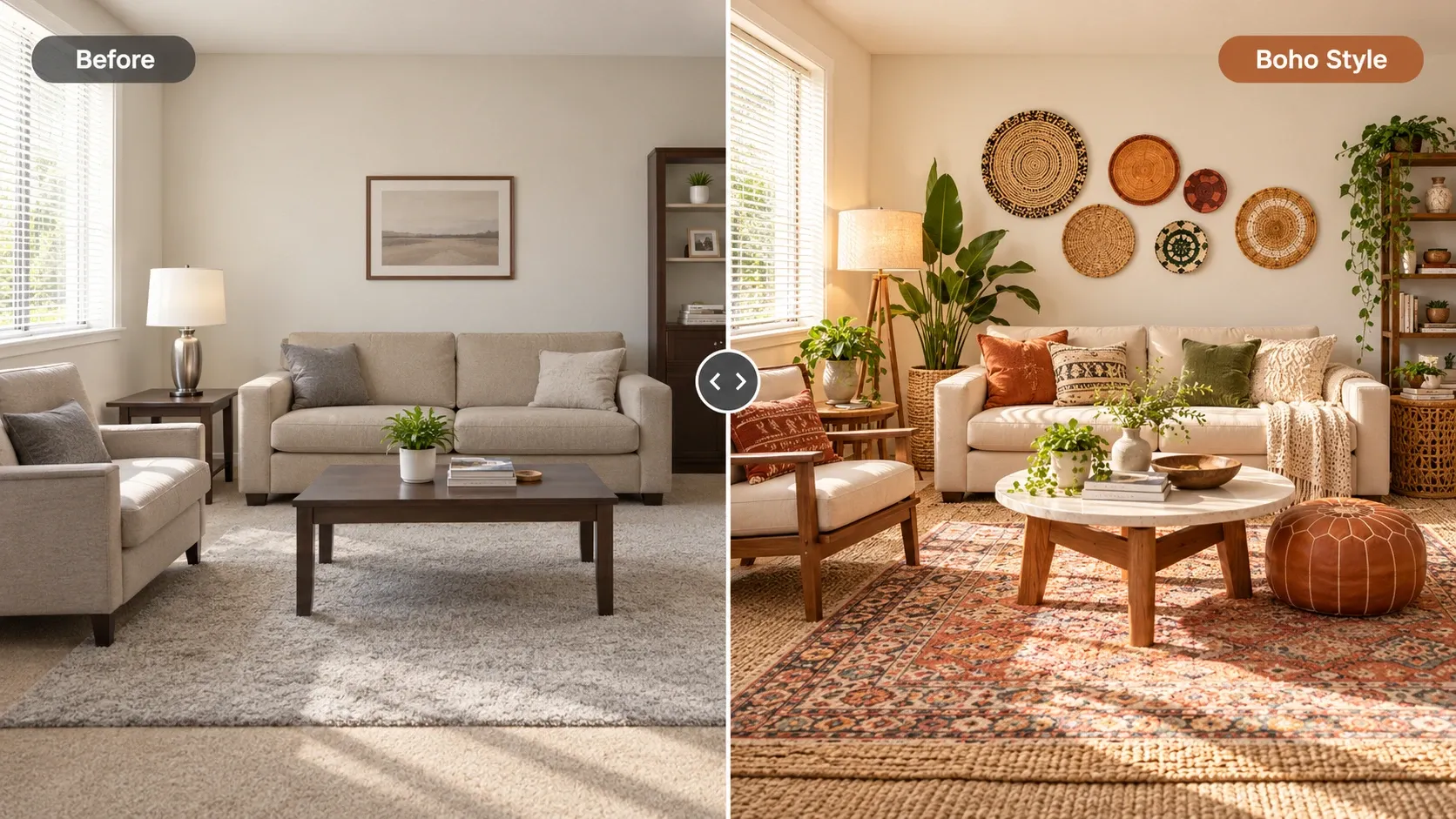
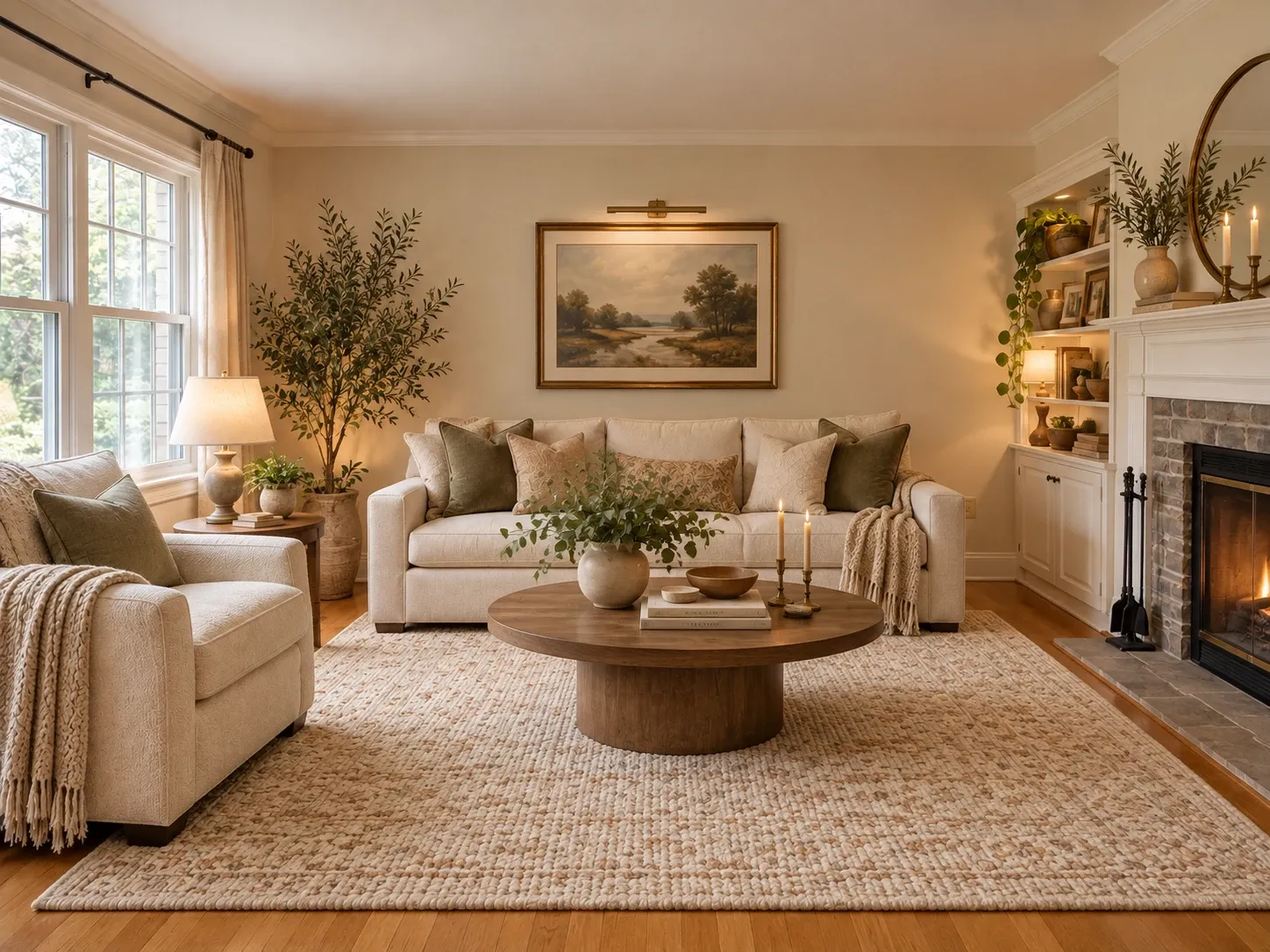
Japandi vs Scandinavian: What Is the Real Difference?
6 min read
The Japandi vs Scandinavian question comes up often because the two styles look so alike at first glance. Both favor natural wood, simple shapes and uncluttered rooms. The differences are in the details: color temperature, furniture height, materials and the overall mood. This guide breaks down each style, compares them side by side and helps you choose.
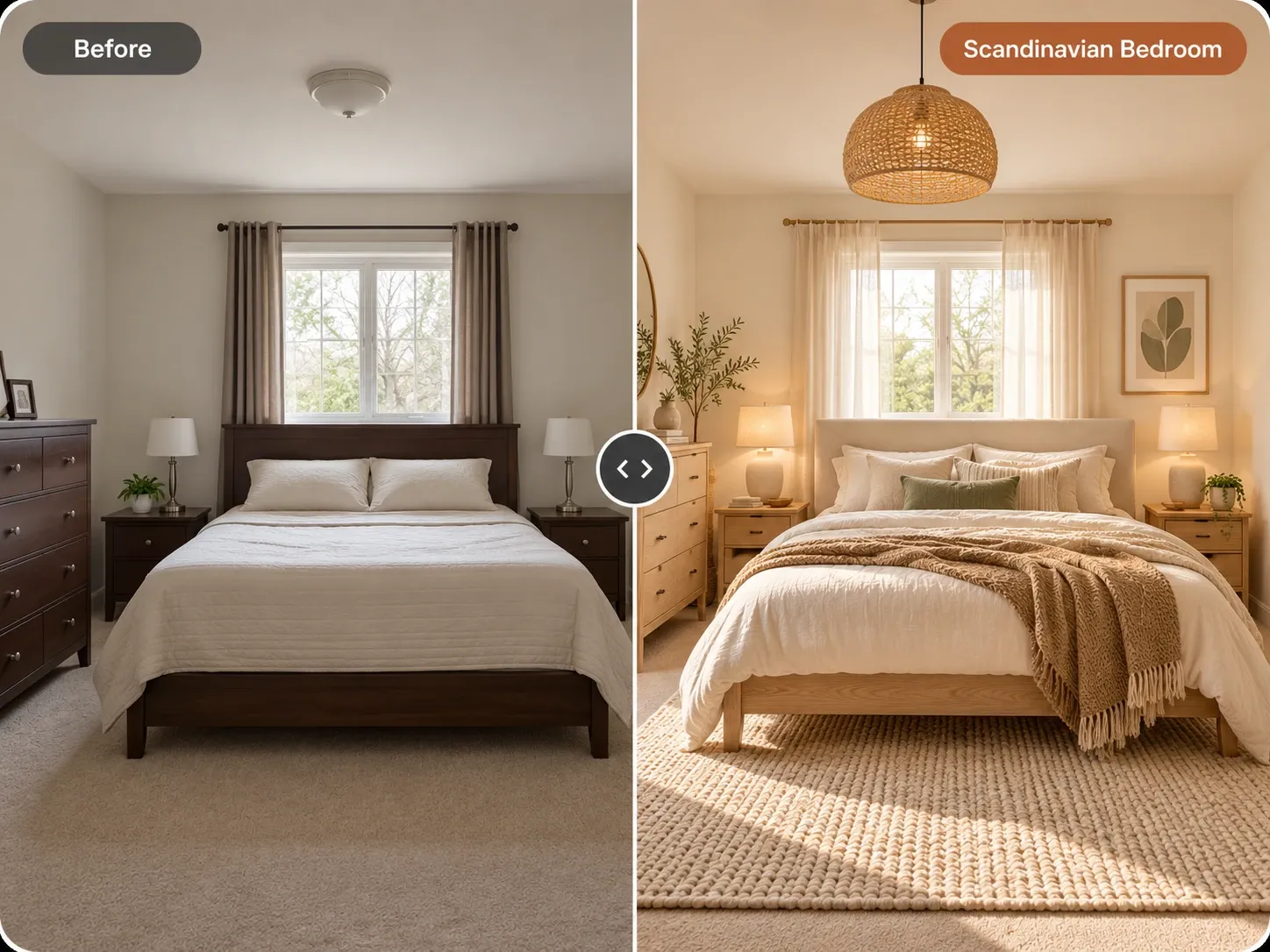
What is Japandi design?
Japandi is a hybrid that blends Scandinavian practicality with Japanese minimalism. From Japan it borrows ideas like wabi-sabi, an appreciation for imperfect, natural and handmade things, along with a strong sense of calm and restraint. From Scandinavia it keeps comfort, warmth and functional furniture. The result is quieter, earthier and a little more formal than a classic Scandinavian room.
Japandi rooms use warmer, more muted colors, such as clay, stone, warm greige and charcoal, alongside both light and dark woods. Furniture tends to sit lower to the ground, with clean lines and a few organic curves. Decor is sparse and carefully chosen. Our Japandi interior design guide covers the key materials and pieces in more detail.
Which style suits your home?
Think about light first. In a dark or north-facing room, Scandinavian whites and light woods can help a space feel brighter. In a sunny room, the warmer, deeper Japandi palette can feel calm without looking dim. Think about lifestyle too. Households that like cozy layers and personal displays often prefer Scandinavian. People who want a very quiet, pared-back space often lean Japandi.
Many homes end up somewhere in between, and that is fine. If you want to blend the two, or combine either one with something else, our guide on how to mix interior design styles explains how to keep the result cohesive with a shared palette and repeated materials. The goal is a home that suits how you live, not a perfect match to a label.
- Choose Scandinavian if you want maximum brightness, cozy textiles and a cheerful feel
- Choose Japandi if you prefer earthy colors, low furniture and a serene, minimal mood
- Blend them if you like light walls with a few darker wood and stone accents
See both styles in your own room
Reading about styles only goes so far. Seeing them in your own space usually settles the question. With AI room design tools like Homes Design AI, you can upload a photo of your room, then generate one version in Japandi and another in Scandinavian. Your walls, windows and perspective stay the same, so the comparison is fair and specific to your home.
You can add plain-language instructions, like keep my sofa or use darker wood, and create variations of the result you like best. Results take under a minute, and your first design is free. Use the images to decide on a direction, then check real paint and material samples in person, since colors on screen are only approximations.
Written by the Homes Design AI team. Next step: try Japandi interior design on a photo of your own space.