Modern vs Contemporary Interior Design: How to Tell Them Apart
5 min read
Modern vs contemporary interior design is one of the most common points of confusion in home decor, because people often use the two words as if they mean the same thing. They do not. Modern design refers to a specific historical style. Contemporary design describes what is current right now. This guide explains the difference and how to choose.
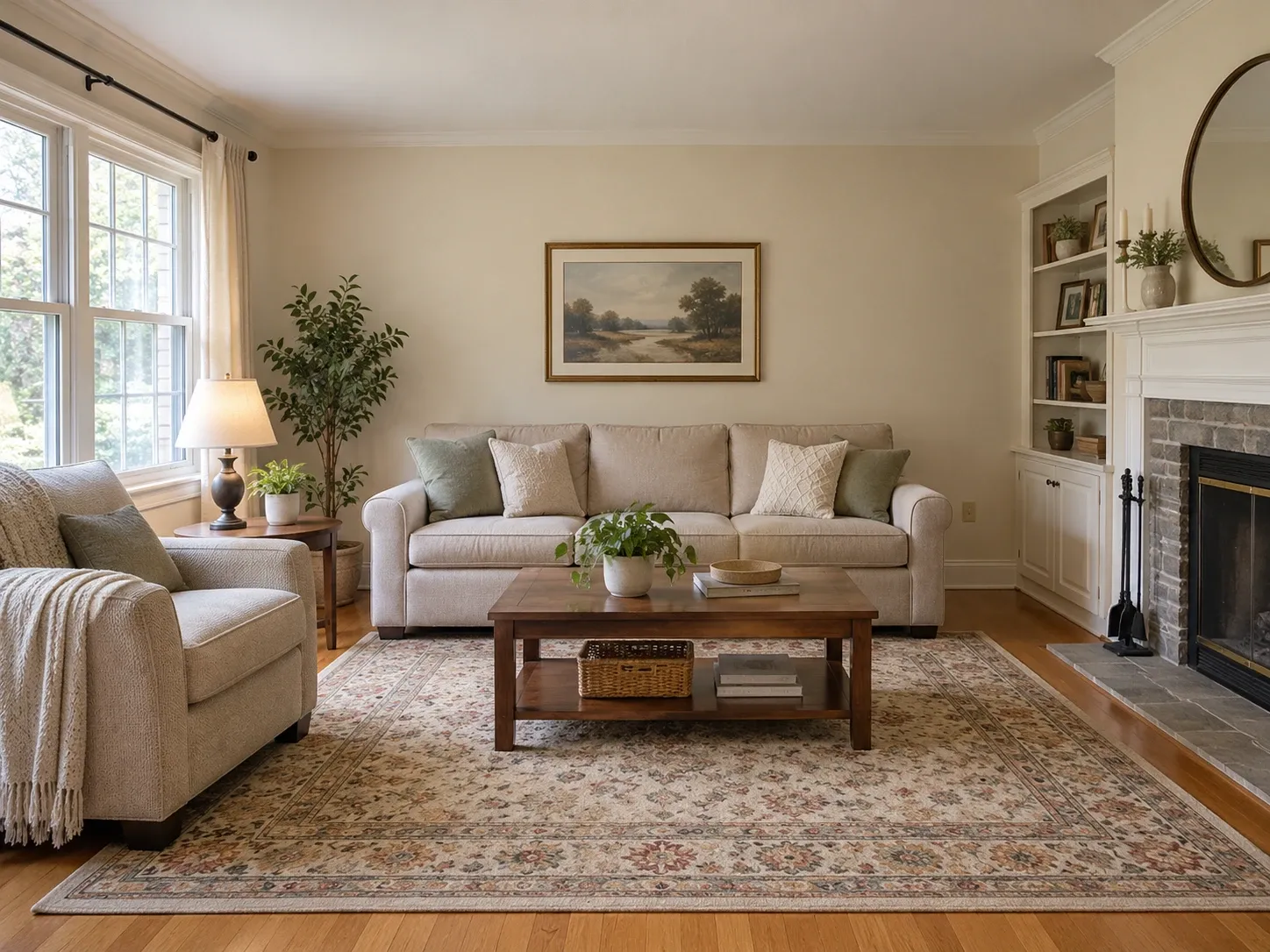
What is modern interior design?
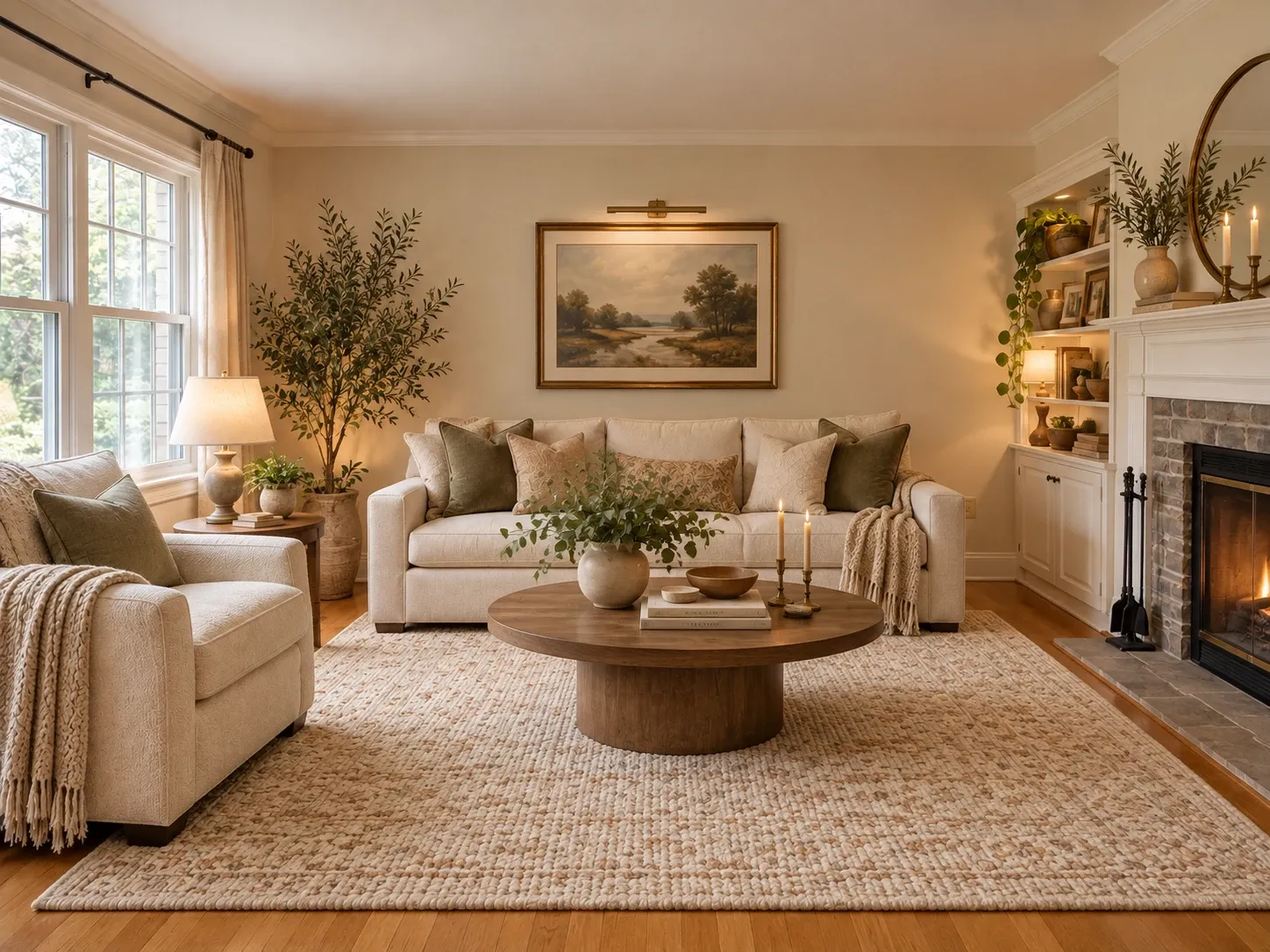
Modern design is a specific style that emerged in the early to mid-20th century. It grew out of movements like the Bauhaus in Germany and later mid-century modern design in the United States and Scandinavia. Its core belief was that form should follow function. Designers stripped away ornament and focused on clean lines, honest materials and practical, uncluttered spaces.
A modern room typically features a neutral or earthy palette, natural wood, leather, steel and glass, and furniture with simple geometric shapes. Think low-slung sofas, tapered legs and open floor plans. Because it is tied to a historical period, modern design does not change much over time. For a full overview of the look, see our guide to modern interior design.
What is contemporary interior design?
Contemporary design means the design of the present moment. It is not tied to one period, so it keeps evolving. What counted as contemporary in the 1990s looks different from contemporary design today. It borrows freely from many sources, including modern design, minimalism and global influences, and it reflects current materials, technology and tastes.
Today's contemporary rooms often feature clean lines mixed with soft curves, high-contrast palettes, statement lighting and newer materials such as engineered stone, matte black metal and textured plaster. Rooms tend to feel airy and sculptural. Our contemporary interior design guide shows the current palette, materials and signature pieces in more detail.
Modern vs contemporary interior design: key differences
The biggest difference is time. Modern design is fixed to a historical era, roughly the early to mid-1900s, while contemporary design moves along with current trends. That one fact explains most of the other differences, from color choices to materials and furniture shapes. Here is a quick side-by-side view to help you spot each style in photos and showrooms.
These are tendencies, not hard rules. Many contemporary rooms include modern classics, and some modern-inspired rooms use current finishes. If a room feels tied to a specific mid-century look, it is probably modern. If it feels like it could only have been designed in the last few years, it is probably contemporary.
- Time frame: modern is a fixed 20th-century style. Contemporary is whatever is current and keeps changing.
- Lines and shapes: modern favors straight lines and geometric forms. Contemporary mixes straight lines with curves.
- Color: modern leans on warm neutrals, earth tones and wood. Contemporary often uses crisp whites, grays, black and bolder contrast.
- Materials: modern celebrates natural wood, leather and teak. Contemporary uses more metal, glass, stone and newer composites.
- Furniture: modern pieces are often classic designs with tapered legs. Contemporary pieces may be sculptural, rounded or low profile.
- Mood: modern feels warm and grounded. Contemporary feels sleek, fresh and sometimes dramatic.
The difference between modern and contemporary design in practice
Abstract definitions only go so far. The quickest way to understand the difference is to picture the same room styled both ways. The examples below describe common choices for each style, but real homes mix them often, so treat them as typical patterns rather than strict checklists you must follow.
In the living room
A modern living room might have a teak credenza, a low leather sofa with wooden arms, a classic lounge chair and a warm rug with a simple geometric pattern. A contemporary living room in the same space might have a curved boucle sofa, a stone coffee table, a sculptural floor lamp and walls in a crisp white or soft gray, with black metal accents.
In the kitchen
A modern kitchen often features flat-panel wood cabinets, simple hardware and warm counters. A contemporary kitchen leans toward handleless cabinets, quartz or sintered stone counters, integrated appliances and dramatic pendant lights. Both value clean surfaces, but contemporary kitchens tend to feel sleeker and more high-tech, while modern kitchens feel warmer and a little retro.
How to choose between modern and contemporary
Start with your home's architecture. A 1950s ranch or a house with wood ceilings and big windows often suits modern design naturally. A newer build with tall white walls, large windows and minimal trim can carry contemporary design well. You do not have to match the architecture, but working with it is usually easier and less expensive.
Then think about how you want the room to feel and how often you like to update. Modern design is warm and timeless, so it ages slowly. Contemporary design is fresh but follows trends, so expect to refresh accents now and then. Many people mix the two, keeping a modern base and adding contemporary lighting or art. Our guide on how to mix interior design styles shows how to keep that blend cohesive.
- Choose modern if you love warm wood, classic furniture and a timeless feel
- Choose contemporary if you love sleek finishes, bold contrast and current trends
- Blend them with a modern furniture base and contemporary lighting, art or finishes
Preview both looks in your space
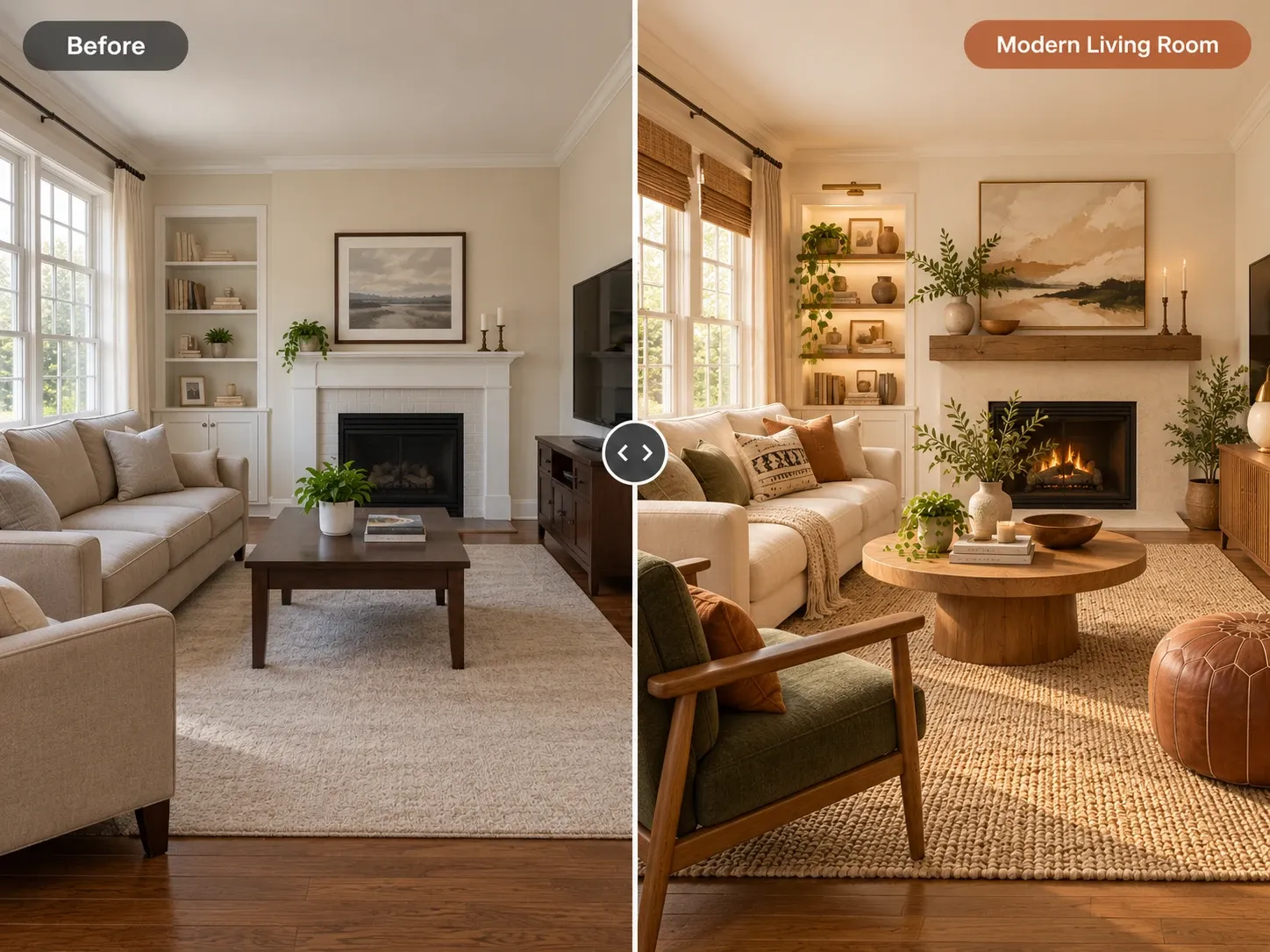
If you still cannot decide, seeing both styles in your actual room helps. With AI interior design from Homes Design AI, you upload a photo of your room and generate a modern version and a contemporary version. Your walls, windows and perspective stay in place, so you are comparing the style itself, not a different room.
You can add plain-language notes, such as keep the fireplace or use warmer wood, and create variations of the version you like. Results arrive in under a minute, and the first design is free. Use the images to pick a direction, then confirm real finishes, fabrics and paint colors in person before you buy anything.
Written by the Homes Design AI team. Next step: try Modern interior design on a photo of your own space.